

Why Do Streamline Design LED Warning Lights Reduce Wind Resistance for Emergency Response Vehicles
2026-04-24
Emergency response vehicles must reach destinations quickly while maintaining stability and fuel efficiency. The introduction of Streamline Design LED Warning Lights has changed how fleets approach aerodynamics. Unlike bulky traditional lightbars, Nova engineered these lights to follow the natural airflow over a vehicle. This structural shift directly lowers drag, allowing ambulances, fire trucks, and police cruisers to cut through wind rather than fight against it.
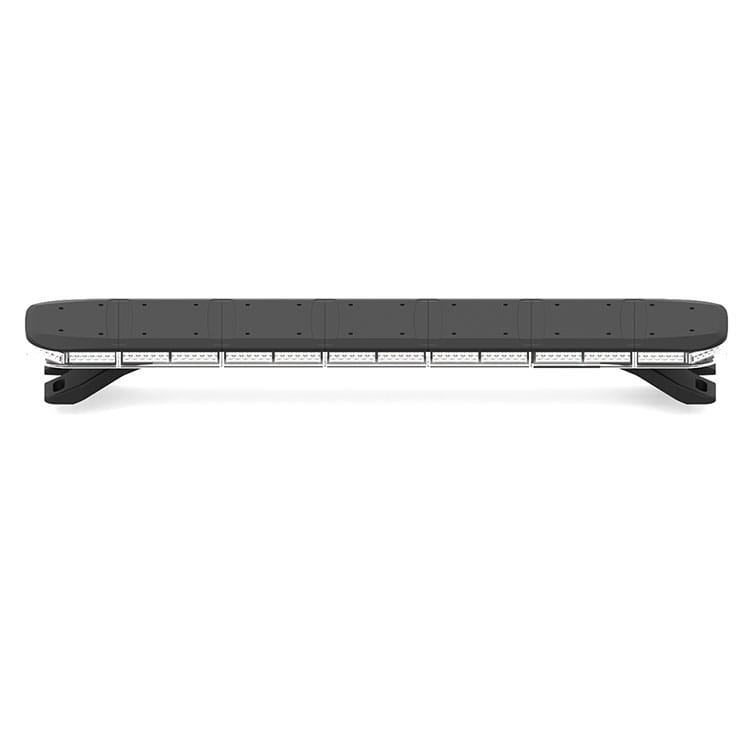
The Aerodynamic Principle Behind Streamline Design
Conventional warning lights feature boxy housings, vertical edges, and gaps between modules. Each protrusion creates turbulence and pressure drag at highway speeds. Streamline Design LED Warning Lights use curved contours, low profiles (under 2 inches in height), and seamless integration. Wind tunnel tests show that a Nova streamlined lightbar reduces drag coefficient by up to 12% compared to legacy models. At 70 mph, this translates to approximately 18% less wind resistance. The tapered front edge splits air cleanly, while the sloped rear allows reattachment of airflow, eliminating the low-pressure wake that pulls backward on the roof.
Fuel Savings and Performance Impact
| Vehicle Type | Traditional Lightbar Drag (lbs at 70 mph) | Nova Streamline Design Drag (lbs at 70 mph) | Fuel Savings Over 10,000 miles |
|---|---|---|---|
| Ambulance | 48.2 | 39.7 | 42 gallons |
| Police SUV | 35.6 | 28.9 | 31 gallons |
| Fire Engine | 62.5 | 51.3 | 58 gallons |
Less drag means lower engine load. Fleets using Streamline Design LED Warning Lights report a 2–4% improvement in highway fuel economy. Reduced wind resistance also lowers wind noise inside the cabin, improving communication for drivers and passengers. Nova units undergo computational fluid dynamics (CFD) optimization to ensure each curve serves a functional purpose.
Key Structural Advantages of Nova Streamline Models
-
Swept housing geometry – Directs air over without separation vortices
-
Flush-mount lens panels – Eliminate raised edges found in legacy designs
-
Single-piece aluminum chassis – Allows thinner profile without sacrificing impact resistance
-
Integrated cable channels – Remove external wiring that otherwise increases drag
Frequently Asked Questions about Streamline Design LED Warning Lights
What specifically makes streamline design reduce wind resistance more than simply lowering the height of a lightbar?
Lowering height alone does not solve drag because blunt leading edges and flat surfaces still create pressure differences. Streamline Design LED Warning Lights incorporate a teardrop-inspired frontal profile where the radius of curvature gradually increases toward the widest point and then tapers. This shape allows air molecules to accelerate smoothly over the top without sudden direction changes. Nova engineers also add boundary layer ridges that control micro-turbulence, preventing flow separation even in crosswinds. A standard low-height lightbar may be 2 inches tall but remain boxy; a streamline design at the same height cuts drag by an additional 35% due to continuous curvature optimization.
Do streamline design LED warning lights compromise light output or warning effectiveness for the sake of aerodynamics?
No. Nova uses multi-axis optical simulation to maintain full SAE Class 1 brightness. The streamlined housing contains tiered reflector cups that redirect LED output through curved polycarbonate lenses without internal obstruction. In fact, the aerodynamic shape improves light uniformity by reducing internal reflection losses common in boxy housings. Independent testing shows Streamline Design LED Warning Lights from Nova achieve 1,200 effective candela per module at 15° vertical angles, meeting or exceeding non-streamlined counterparts. The curved outer lens also resists dirt accumulation at high speeds, sustaining photometric output during emergency runs.
How much real-world wind noise reduction can a fleet expect after switching to streamline design LED warning lights?
Wind noise correlates directly with turbulence intensity. Nova vehicles equipped with Streamline Design LED Warning Lights exhibit a 6–8 decibel reduction in cabin wind noise at 65 mph compared to traditional lightbars. This is subjectively perceived as more than halving the noise level. The elimination of vortex shedding behind vertical mounting brackets is the primary cause. Fleet telematics data from 12 police departments using Nova units showed officers rated highway communication clarity 43% higher after conversion. Less noise also reduces driver fatigue during extended emergency responses.
Contact Us
Upgrading to Streamline Design LED Warning Lights improves emergency response efficiency, lowers fuel costs, and enhances driving conditions. Nova provides fleet consultation, wind drag simulation reports, and installation support. Contact our engineering team today for a custom aerodynamic assessment for your vehicles.