

Why Are Low-Voltage LED Strips Shaping the Future of Lighting Design?
2025-10-24
As a professional deeply involved in the LED lighting industry for two decades, I’ve seen countless innovations come and go — but few have had the enduring impact of the low-voltage LED strip. These flexible, energy-efficient lighting solutions have transformed how we design, install, and experience light in both residential and commercial spaces.
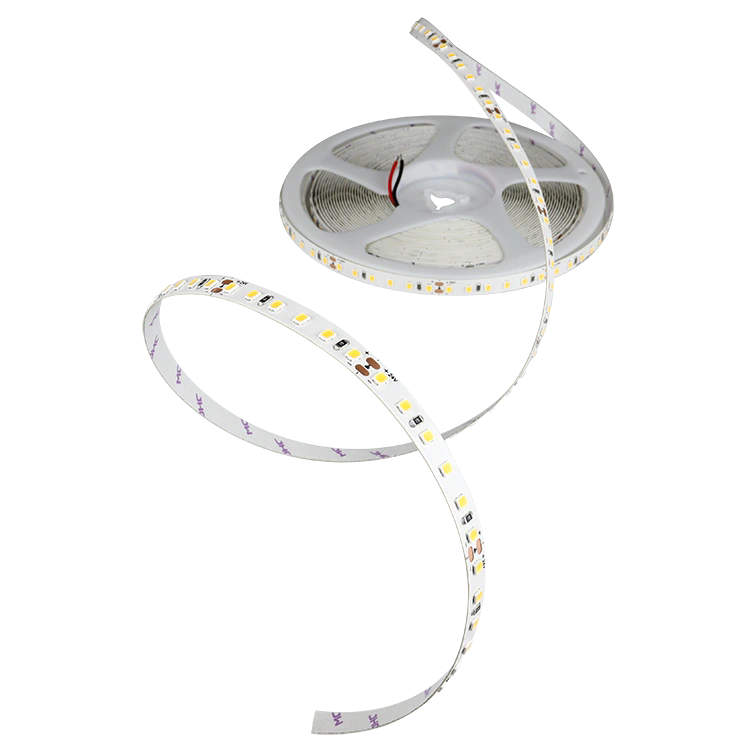
A low-voltage LED strip operates typically on 12V or 24V DC power, which makes it far safer, more efficient, and more adaptable than traditional high-voltage systems. Designed for flexibility and precision, these LED strips are used for accent lighting, under-cabinet illumination, architectural highlights, retail displays, and even automotive interiors. Their popularity comes from the balance of aesthetic appeal, functionality, and energy efficiency, making them a preferred choice for both DIY enthusiasts and professional installers.
Why Choose Low-Voltage LED Strips Over Traditional Lighting Systems?
The demand for low-voltage LED lighting has surged in the past decade, and it’s not just a passing trend. The reasons are both technical and practical. Let’s break down the advantages that make them superior to traditional lighting options:
| Parameter | Low-Voltage LED Strip (12V/24V) | Traditional Lighting (110V/220V) |
|---|---|---|
| Power Consumption | 4.8W–24W per meter | 40W–100W per bulb |
| Operating Voltage | 12V / 24V DC | 110V / 220V AC |
| Safety Level | Extremely Safe (Low Risk of Shock) | High Risk |
| Energy Efficiency | 80–90% Efficiency | 40–60% Efficiency |
| Heat Emission | Minimal | High |
| Flexibility | Can be cut and bent freely | Rigid and fixed |
| Installation | Simple plug-and-play or solder connection | Requires professional wiring |
| Lifespan | 30,000–50,000 hours | 1,000–5,000 hours |
| Maintenance | Low | Moderate to High |
| Applications | Residential, Architectural, Automotive, Decorative | Limited to fixed lighting areas |
The why is simple — safety, efficiency, and versatility. Low-voltage LED strips reduce the risk of electrical shock, especially important in wet environments like bathrooms or kitchens. The reduced voltage also means less energy waste and longer lifespan, saving both electricity and replacement costs over time.
Moreover, they’re environmentally friendly. LEDs contain no mercury, emit less CO₂, and are recyclable. For modern architects and interior designers, low-voltage LED strips represent the perfect synergy between sustainability and design freedom.
How Do Low-Voltage LED Strips Work and What Should You Consider Before Installation?
At the core of a low-voltage LED strip lies a combination of SMD (Surface-Mounted Diode) chips, resistors, and circuit layers designed to distribute current evenly. When connected to a DC power source — often a driver or transformer — the LED chips convert electrical energy into light with minimal heat loss.
The how involves understanding a few technical considerations before installation:
-
Voltage Compatibility
-
Choose between 12V and 24V models based on your setup.
-
12V strips are better for short runs, while 24V strips handle longer distances with less voltage drop.
-
-
Power Supply Selection
-
Always use a regulated DC power supply with a capacity 20% higher than total strip wattage.
-
Example: A 5m 24W/m strip = 120W. Use a 150W power supply for safe operation.
-
-
LED Density and Brightness
-
Measured in LEDs per meter (e.g., 60, 120, or 240 LEDs/m).
-
Higher density means smoother illumination without visible light spots.
-
-
Color Temperature
-
Available from 2700K (Warm White) to 6500K (Cool White).
-
Warm tones create cozy environments; cool tones are ideal for task lighting or commercial use.
-
-
Waterproof Ratings (IP Ratings)
-
IP20: Indoor, dry areas.
-
IP65: Splash-proof, suitable for kitchens or bathrooms.
-
IP67/IP68: Fully waterproof for outdoor or underwater applications.
-
-
Control Options
-
Dimmer-compatible models for brightness control.
-
RGB or RGBW strips can change colors via remote or smart apps.
-
Low-voltage LED strips are not just plug-and-play devices — they’re part of a broader lighting ecosystem where power, control, and creativity merge. When installed correctly, they provide consistent illumination, longer lifespan, and minimal maintenance.
What’s the Future of Low-Voltage LED Strips and Why Should You Invest Now?
The LED lighting industry is evolving rapidly, and low-voltage LED strips are at the forefront of this transformation. In the coming years, the focus will shift toward smart integration, energy optimization, and sustainable materials.
Here’s what’s driving the next generation of LED strip innovation:
-
Smart Lighting Integration
Future low-voltage LED strips will seamlessly integrate with smart home systems like Google Home, Alexa, and Apple HomeKit, allowing users to control color, brightness, and scheduling through voice or app commands. -
Improved Energy Efficiency
With advances in GaN (Gallium Nitride) technology, new LED chips will deliver higher lumens per watt, achieving up to 200 lm/W, reducing power usage by another 20–30%. -
Customizable Design Solutions
Manufacturers are developing ultra-thin, magnetic, and bendable LED strips to support architectural curves and embedded designs. -
Eco-Conscious Manufacturing
The push toward lead-free solder, recyclable substrates, and biodegradable insulation materials will make LED strips more sustainable and regulation-friendly worldwide.
For designers, engineers, and end-users, investing in low-voltage LED technology today ensures future-proof lighting performance. The ability to integrate, control, and adapt lighting environments is no longer a luxury — it’s becoming the new standard.
Frequently Asked Questions
Q1: Can I cut and reconnect low-voltage LED strips easily?
A1: Yes. Most low-voltage LED strips feature pre-marked cut lines (usually every 3 or 6 LEDs). After cutting, you can reconnect them using clip connectors or by soldering. Always ensure polarity (+/-) alignment to prevent malfunction. For longer runs, consider using amplifiers or repeaters to maintain consistent brightness.
Q2: What happens if I use the wrong power supply for my LED strip?
A2: Using a power supply with incorrect voltage or insufficient wattage can cause flickering, reduced lifespan, or even permanent damage to the LEDs. For instance, connecting a 12V LED strip to a 24V power supply may burn out the diodes instantly. Always match the voltage and allow a 20% buffer in wattage capacity.
Conclusion: Why JHOW’s Low-Voltage LED Strips Are the Smart Choice
In today’s lighting landscape, low-voltage LED strips represent more than just a design choice — they are a strategic investment in efficiency, safety, and sustainability. Whether for residential mood lighting, architectural projects, or commercial displays, their adaptability and reliability make them indispensable in modern illumination design.
At JHOW, we take pride in developing precision-engineered LED strips that embody the highest standards of brightness consistency, color accuracy, and energy efficiency. Our range of 12V and 24V LED strips are meticulously tested for performance and durability, ensuring that every product we deliver stands up to professional expectations.
If you’re ready to transform your lighting experience with advanced, low-voltage LED solutions — contact us today. Our team at JHOW is here to help you design the perfect lighting setup tailored to your project’s needs.