

Which Rental Transparent LED Display Delivers Reliable Visual Performance for Professional Events?
2026-11-23
Modern events demand more than a large screen. Event organizers, rental companies, production teams, and exhibition contractors need display solutions that deliver impressive visuals without making the stage or surrounding environment feel visually crowded. This is where a Rental Transparent LED Display becomes an increasingly attractive option.
Unlike conventional LED video walls, transparent LED displays allow audiences to see elements behind the screen while displaying dynamic images, videos, and promotional content. This combination creates new opportunities for stage design, product launches, exhibitions, concerts, and commercial brand activations.
However, choosing the right rental display involves more than comparing screen sizes and prices. Transparency, brightness, pixel pitch, cabinet weight, installation efficiency, image quality, and maintenance requirements all influence the final result.
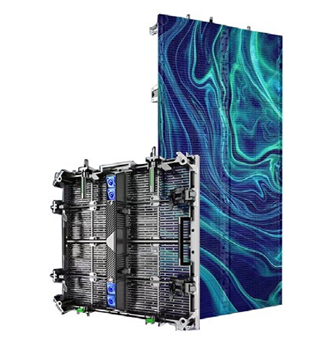
1. Understanding Rental Transparent LED Display Technology
A rental transparent LED display is a modular digital screen designed to present video and graphic content while allowing light and visibility to pass through its structure. It typically uses an open or specially designed LED arrangement that reduces the visual obstruction associated with traditional solid display panels.
Its modular cabinet design makes it possible to assemble multiple panels into larger display surfaces. Depending on the product configuration, these panels can support different installation arrangements, including straight screens, curved structures, and creative stage layouts.
How Does the Technology Work?
LED modules contain individual light-emitting diodes that produce the pixels required to form images. The spaces between the LED elements create a transparent visual structure. When the display is operating, viewers can see digital content while retaining partial visibility of objects and lighting effects behind the screen.
The actual transparency level depends on pixel spacing, LED arrangement, cabinet construction, and the specific model. A higher transparency percentage generally means a more open visual structure, but it may also affect pixel density and image detail.
What Makes Rental Models Different?
Rental displays are designed around repeated installation, dismantling, transportation, and reuse. Compared with permanent fixed installations, rental-oriented products place greater emphasis on practical handling and event setup efficiency.
- Modular cabinets for flexible screen configurations.
- Quick-lock mechanisms for faster assembly and dismantling.
- Lightweight structural designs to simplify transportation.
- Serviceable modules and components for easier maintenance.
- Flexible installation options for different stage layouts.
2. Why Transparency Matters in Event Display Design
Traditional LED screens can deliver powerful visual effects, but their solid structures may block lighting equipment, stage scenery, performers, or architectural features behind them. This can limit the creative possibilities available to event designers.
Transparent LED technology addresses this challenge by combining digital content with visual openness.
Maintaining Stage Depth and Visibility
For concerts, theatrical performances, and corporate events, stage depth is an important part of the overall visual experience. A transparent screen allows designers to position lighting equipment and decorative elements behind the display without completely hiding them.
Creating More Immersive Visual Effects
Content can appear to float within the stage environment rather than sitting on a solid visual wall. By combining transparent LED panels with background lighting, projection effects, and physical scenery, production teams can create layered visual experiences.
Supporting Creative Commercial Installations
At exhibitions and product launches, transparent screens can display promotional videos while keeping the featured product visible. This is especially useful when brands want to communicate product information without completely separating customers from the physical display area.
3. Key Technical Specifications to Evaluate
Choosing a suitable rental transparent LED display requires a balanced understanding of several technical parameters. Each specification influences a different part of the viewing experience or installation process.
| Specification | What It Means | Why It Matters |
|---|---|---|
| Pixel Pitch | Distance between adjacent LED pixels | Influences image detail and suitable viewing distance. |
| Transparency | Percentage of visible background through the screen | Determines the balance between visual openness and display density. |
| Brightness | Light output measured in nits or cd/m² | Helps maintain visibility under different lighting conditions. |
| Refresh Rate | Frequency at which the display refreshes its image | Important for smooth motion and camera recording. |
| Cabinet Weight | Weight of each assembled display cabinet | Affects transportation, handling, and structural planning. |
| Protection Rating | Resistance to dust and water ingress | Important for outdoor and demanding event environments. |
| Maintenance Method | Front or rear access to serviceable components | Influences repair time and access requirements. |
| Viewing Angle | Angle from which the display remains visible | Helps provide consistent visuals for wider audiences. |
Pixel Pitch and Image Detail
Pixel pitch is one of the most important parameters when evaluating display resolution. A smaller pixel pitch generally provides greater pixel density and more detailed images at shorter viewing distances.
However, smaller pixel pitch configurations may have different transparency, brightness, cost, and power requirements. Buyers should therefore consider the actual audience distance instead of automatically choosing the smallest available pitch.
Brightness and Environmental Conditions
Brightness determines how effectively displayed content competes with surrounding ambient light. Indoor conference venues may require different brightness levels from outdoor concerts or daytime brand activations.
Excessive brightness can also be uncomfortable for nearby audiences, so adjustable brightness and appropriate content calibration are valuable features.
Refresh Rate and Camera Performance
Events are frequently recorded for livestreaming, promotional videos, and social media. A display with an appropriate high refresh rate can help reduce visible flicker and scanning artifacts during camera recording.
Actual camera performance also depends on shutter speed, camera settings, processing equipment, and the display configuration. Testing the complete system before an important event is recommended.
4. How to Choose the Right Pixel Pitch and Transparency
Pixel pitch and transparency are closely connected to the intended application. The ideal combination depends on whether the priority is detailed video playback, background visibility, or a balance between the two.
Match Pixel Pitch to Viewing Distance
For audiences standing close to the display, a finer pixel pitch may help improve text readability and image detail. For larger stages where viewers are farther away, a wider pixel pitch may offer a more practical balance between performance and project cost.
Determine the Required Transparency Level
High transparency can help preserve stage lighting and background visibility. However, if the display needs to show detailed promotional content, the buyer should also evaluate the pixel density and actual image performance.
| Project Requirement | Recommended Evaluation Priority |
|---|---|
| Concert stage background | Transparency, brightness, structural stability, and camera performance. |
| Corporate presentation | Image detail, text readability, color consistency, and viewing distance. |
| Exhibition booth | Transparency, creative configuration, and installation flexibility. |
| Outdoor brand activation | Brightness, weather protection, and structural safety. |
| Retail window display | Visual openness, content clarity, and ambient light performance. |
5. Installation Flexibility and Structural Reliability
For rental companies and event production contractors, installation efficiency can directly affect project costs and preparation schedules. A display that produces excellent images but requires complicated assembly may create unnecessary operational pressure.
Quick-Lock Cabinet Connections
Quick-lock mechanisms allow adjacent cabinets to connect more efficiently. Properly designed locking systems help maintain panel alignment and reduce the time required to assemble larger display structures.
Lightweight Cabinet Construction
Lightweight cabinets can simplify loading, unloading, transportation, and installation. They may also reduce handling demands during frequent event changes.
However, lightweight construction should not compromise the strength of the cabinet, connection points, or mounting structure. The complete system must be evaluated according to the intended installation method.
Curved and Creative Screen Configurations
Some rental transparent LED displays support curved or angled configurations. These options allow designers to create more dynamic stage backgrounds, corner installations, and immersive exhibition structures.
Buyers should confirm the supported curvature range, compatible locking accessories, and installation limitations of the specific model before planning a curved screen.
Safety Considerations for Suspended Installations
Large event screens may be installed using hanging structures or other engineered support systems. The load capacity of the supporting structure, connection hardware, wind conditions, and installation procedures must be checked by qualified personnel.
For outdoor installations, wind loading and local safety requirements are especially important. A product's protection rating alone does not establish that an entire installation is safe for a particular weather condition.
6. Image Quality and Performance Under Different Lighting
Display performance is influenced by more than the LED modules themselves. Ambient light, content design, screen orientation, audience distance, and the visibility of the background all affect the final viewing experience.
Indoor Event Performance
Indoor environments generally provide more predictable lighting conditions. Transparent LED displays can be integrated with stage lighting, decorative structures, and exhibition backgrounds to produce layered visual effects.
For indoor presentations, buyers should pay particular attention to image clarity, grayscale performance, color consistency, and text readability.
Outdoor Event Performance
Outdoor events introduce additional challenges, including sunlight, changing weather, temperature variations, and wind. A suitable outdoor configuration should provide sufficient brightness and an appropriate ingress protection rating for the installation environment.
It is important to verify the specified IP rating for the front and rear of the cabinet, since protection levels may differ between surfaces and models.
Content Optimization
Transparent displays have a different visual character from conventional solid LED walls. Content with strong contrast, clear shapes, and appropriate spacing can often produce better results than overly complicated images.
- Use readable fonts and avoid excessively small text.
- Choose high-contrast colors for important information.
- Test videos against the actual stage background.
- Avoid placing critical content in areas where background interference reduces visibility.
- Calibrate brightness and color across all assembled cabinets.
7. Applications Across Different Industries
The versatility of rental transparent LED displays makes them suitable for temporary visual installations across several industries.
Concerts and Live Entertainment
Transparent LED screens can function as stage backgrounds while allowing lighting effects and performers to remain visible. They are useful for concerts, music festivals, touring productions, and entertainment shows.
Trade Shows and Exhibitions
Exhibitors can display product videos, company information, and promotional messages without completely blocking the booth interior. This helps maintain an open exhibition design while attracting visitor attention.
Corporate Events and Product Launches
Businesses can combine product demonstrations with digital content to create a more engaging presentation environment. Transparent screens are particularly suitable for product reveals and brand storytelling.
Retail and Shopping Centers
Retailers can use transparent LED displays in selected window and interior installations to deliver advertising messages while maintaining partial visibility into the store.
Stage Production and Rental AV Companies
Professional rental companies can incorporate transparent LED cabinets into their equipment inventory, offering clients additional design possibilities for different event formats.
Architectural and Creative Installations
Transparent display technology can be integrated into selected glass structures and creative visual environments, provided that the installation design and supporting structure are appropriate for the application.
8. How Rental LED Displays Improve Operational Efficiency
Rental equipment must deliver value throughout repeated project cycles. The initial purchase price is only one part of the overall investment. Transportation, installation labor, maintenance, storage, and equipment utilization also influence long-term operating costs.
Faster Setup and Dismantling
Modular cabinets and practical locking systems can reduce installation time, particularly when a large screen consists of multiple panels. This can help production teams manage tight event schedules.
Reusable Modular Design
Modular screens can be configured into different dimensions according to project requirements. Instead of purchasing a separate display for every event size, rental operators can reuse compatible cabinets across multiple projects.
Convenient Maintenance
Maintenance accessibility is important when equipment is used frequently. A design that allows technicians to replace or inspect individual components can help reduce downtime and simplify service operations.
Evaluate Total Cost of Ownership
Professional buyers should compare the complete cost of operating the equipment rather than focusing exclusively on the purchase quotation.
- Initial equipment investment.
- Transportation and protective packaging.
- Installation accessories and structural requirements.
- Power consumption during operation.
- Spare modules and replacement components.
- Maintenance labor and technical support.
- Expected rental frequency and equipment service life.
A display that is easier to transport, assemble, and maintain may provide better long-term value even if its initial purchase price is not the lowest.
9. Common Purchasing Mistakes and How to Avoid Them
Purchasing a rental transparent LED display without clearly defining project requirements can result in unsuitable configurations, unexpected installation costs, or disappointing display performance.
Mistake 1: Choosing Only by Price
Low quotations may not include all necessary accessories, spare parts, control equipment, or technical support. Buyers should compare complete configurations and confirm exactly what is included.
Mistake 2: Ignoring Viewing Distance
A display with an unsuitable pixel pitch may not deliver the expected image detail. Always consider the actual distance between the screen and the audience.
Mistake 3: Focusing on Transparency Alone
High transparency does not automatically guarantee better image performance. Pixel density, brightness, content design, and the surrounding environment must be considered together.
Mistake 4: Overlooking Installation Conditions
Cabinet weight, mounting accessories, connection methods, and structural requirements should be reviewed before confirming an order.
Mistake 5: Neglecting Maintenance and Spare Parts
Rental equipment experiences repeated transportation and handling. Buyers should confirm the maintenance procedure, availability of replacement modules, and technical support arrangements before purchasing.
Mistake 6: Failing to Test Camera Compatibility
If an event will be livestreamed or recorded, test the display using the actual camera equipment and recording settings. This helps identify potential flicker, scanning lines, or brightness inconsistencies before the event begins.
10. How to Select a Reliable Rental Transparent LED Display Supplier
Choosing the right supplier is an important part of building a dependable LED rental equipment business. A professional supplier should be able to explain technical specifications, understand the intended application, and provide practical support throughout the purchasing process.
Evaluate Product Knowledge
A qualified supplier should understand the relationship between pixel pitch, transparency, brightness, cabinet construction, and installation conditions. Recommendations should be based on the actual project rather than generic product descriptions.
Request Detailed Technical Documentation
Before confirming an order, request product datasheets and verify the following information:
- Pixel pitch and pixel density.
- Transparency and brightness specifications.
- Refresh rate and grayscale performance.
- Cabinet dimensions and weight.
- Indoor or outdoor protection ratings.
- Power consumption and electrical requirements.
- Installation and maintenance methods.
- Available spare parts and warranty conditions.
Check Quality Control and Testing
Ask about production inspection, aging tests, cabinet consistency, and final product testing. For larger orders, buyers may also request sample evaluation or a factory inspection where practical.
Consider Customization and Project Support
Different rental projects may require different cabinet dimensions, pixel pitches, installation accessories, and control configurations. A supplier with suitable customization capabilities can help buyers develop a display system that matches their operational needs.
Why Consider ShenZhen Allenson Photoelectric Co., Ltd?
ShenZhen Allenson Photoelectric Co., Ltd provides LED display solutions for professional commercial and event applications. For buyers evaluating rental LED display equipment, the company offers a point of contact for discussing display configurations, technical requirements, and project-specific needs.
When considering a rental transparent LED display project, buyers can discuss their intended application, screen dimensions, installation environment, and expected visual performance with the Allenson team.
Rather than selecting a product based on a single specification, it is advisable to confirm the complete configuration according to the actual project. This helps ensure that the selected display system meets the requirements of the event, installation structure, and operating conditions.
- Required screen width and height.
- Indoor or outdoor installation environment.
- Expected audience viewing distance.
- Desired transparency level.
- Preferred pixel pitch and brightness.
- Hanging, ground-supported, or other installation methods.
- Quantity, delivery destination, and project schedule.
11. Frequently Asked Questions About Rental Transparent LED Displays
Q1: What is a rental transparent LED display?
A rental transparent LED display is a modular LED screen designed for temporary installations and repeated use. Its open LED structure allows background visibility while displaying digital images, videos, and promotional content. It is commonly used for concerts, exhibitions, product launches, and stage productions.
Q2: What is the main advantage of a transparent LED screen over a traditional LED screen?
The main advantage is its ability to display digital content while allowing light and partial background visibility to pass through the screen. This makes it easier to integrate digital visuals with stage lighting, physical products, and architectural elements.
Q3: Is a rental transparent LED display suitable for outdoor events?
Yes, certain models are designed for outdoor applications. Buyers should confirm the brightness, front and rear IP protection ratings, temperature specifications, structural requirements, and suitability for the expected weather conditions before installation.
Q4: How do I choose the right pixel pitch?
Pixel pitch should be selected according to viewing distance, content requirements, and project budget. Smaller pixel pitches generally provide more image detail at closer viewing distances, while larger pitches may be suitable for audiences positioned farther away.
Q5: Does higher transparency always mean better performance?
No. Higher transparency improves background visibility, but it does not automatically provide higher image resolution or better overall display performance. Buyers should balance transparency with pixel density, brightness, and the intended viewing environment.
Q6: Can rental transparent LED displays be assembled into curved screens?
Some models support curved or angled configurations through specially designed locking mechanisms. The available curvature range and installation methods depend on the cabinet design, so buyers should confirm compatibility with the supplier before planning the stage structure.
Q7: Are transparent LED displays easy to install and transport?
Rental-oriented models are generally designed with modular cabinets, practical connection systems, and transportation requirements in mind. However, actual handling efficiency depends on cabinet weight, dimensions, locking mechanisms, accessories, and the installation design.
Q8: What maintenance should be considered for rental LED displays?
Regular maintenance may include checking LED modules, power supplies, receiving cards, connectors, cabinet locks, and cables. Cleaning, visual inspection, and functional testing after transportation can also help maintain consistent performance.
Q9: What information should I provide when requesting a quotation?
Provide the required screen dimensions, pixel pitch, transparency preference, brightness requirements, indoor or outdoor environment, installation method, quantity, and destination country. These details help the supplier recommend an appropriate configuration and prepare a more accurate quotation.
Q10: Can a rental transparent LED display be used for exhibitions and retail applications?
Yes. It can be used for exhibition booths, shopping centers, retail windows, product presentations, and brand activations. Its transparent structure helps businesses display promotional content while maintaining partial visibility of the surrounding space.
Looking for the Right Rental Transparent LED Display?
The right display configuration can make a significant difference to event quality, installation efficiency, and long-term equipment value. Whether you are an LED rental company, event production contractor, exhibition organizer, or commercial display buyer, selecting the right technical solution starts with understanding your project requirements.
ShenZhen Allenson Photoelectric Co., Ltd is ready to discuss your application and help you explore suitable LED display solutions.
Contact our team today with your screen dimensions, application environment, viewing distance, and technical requirements. Let us help you find a practical display solution for your next project.
Contact Us