

Choosing a replacement or upgraded headlight bulb is not simply a matter of finding the brightest product available. Drivers also need to consider socket compatibility, beam performance, installation space, heat management, electrical compatibility, durability, and the conditions in which the vehicle is normally driven.
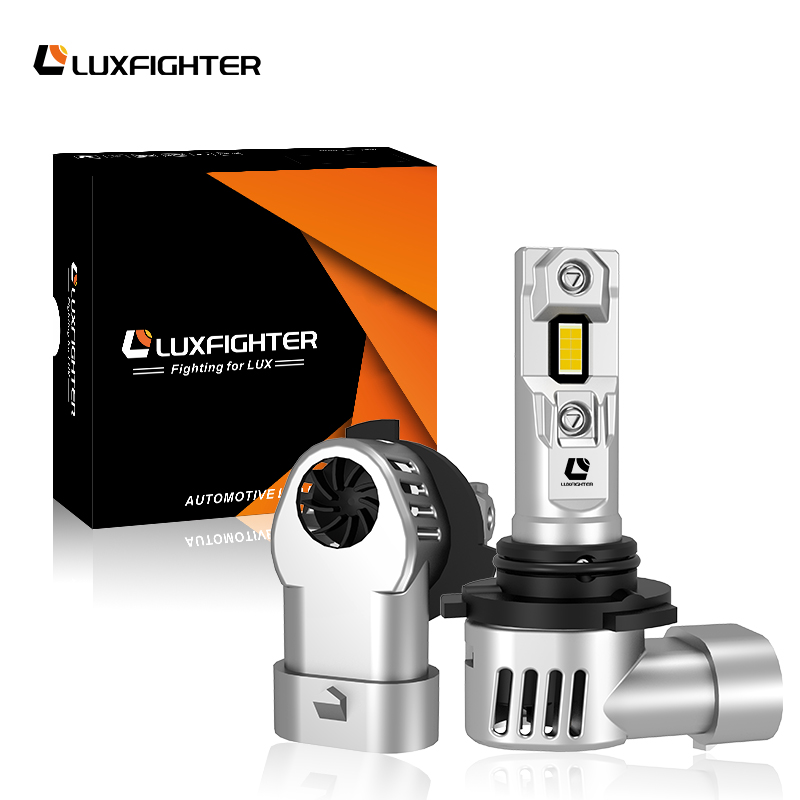
The A Q36 HB3 LED Headlight Bulb Rechargeable LED Bulb for Car represents a practical direction for drivers looking for an HB3-compatible LED lighting solution. Understanding what matters before installation can help reduce common problems such as poor fitment, uneven illumination, flickering, excessive heat, or an unsuitable beam pattern.
Why the HB3 Bulb Type Matters
One of the easiest mistakes when replacing a car headlight is assuming that all LED bulbs are interchangeable. They are not. Automotive headlight systems use different bases, electrical interfaces, physical dimensions, and optical arrangements.
HB3, also commonly associated with the 9005 designation, is a specific bulb format used in many automotive applications. However, the presence of an HB3 socket alone does not guarantee that every LED replacement will perform correctly in every headlamp.
The original reflector or projector was designed around a particular light source position. When upgrading from a traditional bulb to an LED bulb, the position and orientation of the LED emitters become especially important. If the light source is not positioned correctly, a bulb may appear bright while producing an unfocused or poorly distributed beam.
Always confirm the original bulb designation and the vehicle manufacturer's fitment requirements before purchasing or installing an HB3 LED replacement.
This is why the A Q36 HB3 LED Headlight Bulb Rechargeable LED Bulb for Car should be considered from a system perspective. The correct result depends on the relationship between the bulb, headlamp housing, electrical system, and vehicle.
Common Problems With Headlight Upgrades
Many drivers upgrade their headlights because the original lighting no longer meets their expectations. Nighttime driving, rural roads, rain, aging bulbs, and frequent highway travel can all make lighting performance more noticeable.
However, replacing a bulb without considering the entire installation can create new problems. The most common concerns include:
- Incorrect fitment: The bulb base may not properly match the original socket.
- Limited installation space: A larger rear housing or cooling structure may interfere with the dust cap.
- Flickering: Electrical characteristics may not perfectly match the vehicle's lighting control system.
- Poor beam distribution: Incorrect LED positioning can create dark spots or excessive glare.
- Heat accumulation: LEDs generate less heat at the light-emitting surface than some conventional technologies, but the LED and driver still require thermal management.
- Moisture concerns: Improperly installed dust caps or seals can allow moisture into the headlamp housing.
- Legal restrictions: Lighting regulations vary by market and vehicle application.
A successful headlight upgrade therefore requires more than comparing brightness numbers. A balanced installation can provide a more useful improvement in everyday driving conditions.
What Makes the Q36 Concept Practical?
The Q36 designation identifies a particular product family and should be evaluated according to its actual vehicle application, installation requirements, and published specifications. For customers considering the A Q36 HB3 LED Headlight Bulb Rechargeable LED Bulb for Car, the key advantage is the opportunity to move toward a modern LED-based lighting solution while retaining attention to the original HB3 interface.
A good automotive LED bulb needs to balance several factors simultaneously. High output alone is not enough. Drivers need usable light distribution, stable operation, appropriate thermal management, reliable electrical behavior, and a physical design that can fit inside the vehicle's headlamp assembly.
Brightness Should Be Considered Together With Beam Quality
It is tempting to judge headlights by a single lumen figure. In practice, the amount of light that reaches the road in useful locations is more important than a headline number.
A well-designed headlight should illuminate the road ahead while maintaining an appropriate cutoff or beam distribution. Excessive uncontrolled light can create glare for other road users and may actually reduce the driver's visual comfort.
Installation Convenience Also Matters
A replacement bulb is most useful when it can be installed correctly without unnecessary modification to the vehicle. Drivers should consider connector position, rear clearance, dust-cap clearance, and the physical dimensions of the original headlamp.
Compatibility Checks Before Installation
Before purchasing an A Q36 HB3 LED Headlight Bulb Rechargeable LED Bulb for Car, use the following checklist. Spending several minutes on compatibility can prevent much more time-consuming installation problems later.
These checks are particularly important for older vehicles, modified vehicles, and vehicles with aftermarket headlamp assemblies.
How to Install an HB3 LED Headlight Bulb Correctly
Installation procedures vary between vehicles, but the general process is straightforward when the correct bulb is selected. Always follow the vehicle manufacturer's instructions and the product's installation guidance.
- Turn off the vehicle and lighting system. Allow the existing bulb and surrounding components to cool before working.
- Open the headlamp access area. Depending on the vehicle, access may be available from the engine compartment or through another service opening.
- Remove the original bulb carefully. Avoid forcing the connector or twisting components that are not designed to rotate.
- Compare the replacement bulb with the original. Check the base, connector, orientation, and physical dimensions before insertion.
- Install the LED bulb securely. The bulb should sit firmly in the intended position without excessive movement.
- Reconnect the electrical connector. Ensure that the connection is fully seated and protected from unnecessary tension.
- Restore the dust cover or sealing components. Maintaining the headlamp's sealing system is important for protecting the internal components.
- Test the lighting system. Check both low-beam and high-beam functions where applicable.
- Inspect the beam pattern. Park the vehicle on level ground and verify that the light distribution is even and appropriately aligned.
If the bulb cannot be installed without excessive force, stop and recheck compatibility. A correct replacement should not require damaging the socket, cutting the headlamp housing, or compromising the weather seal simply to make it fit.
Understanding Real-World Lighting Performance
Headlight performance should be judged on the road rather than only on a product specification sheet. Different driving environments place different demands on the lighting system.
Urban Driving
In cities, street lighting and surrounding traffic provide some ambient illumination. Here, a clean and controlled beam can be more valuable than simply maximizing output. Good visibility of lane markings, vehicles, pedestrians, and road edges remains important.
Highway Driving
Highway drivers often need longer forward visibility. A stable beam with consistent illumination can help the driver identify road conditions earlier, particularly on roads with limited street lighting.
Rural and Unlit Roads
On dark rural roads, the limitations of poor lighting become much more apparent. Road edges, curves, animals, debris, and unexpected obstacles can be harder to detect. This makes beam distribution and optical control particularly important.
Rain and Poor Weather
Rain, mist, and wet pavement can reflect light back toward the driver. Increasing brightness without considering beam control may not always produce better visibility. Correct aiming and a suitable optical pattern remain essential.
Why Heat Management Matters in an LED Headlight
LED lighting is often associated with efficiency, but efficient operation does not mean that thermal management can be ignored. Heat generated by the LED and electronic components needs to be transferred away from sensitive areas.
The thermal design of an automotive LED bulb may involve heat sinks, fans, conductive materials, airflow, or a combination of these approaches. The appropriate solution depends on the product architecture.
Heat management matters because excessive operating temperatures can affect electronic stability, component life, and long-term light output. This is one reason drivers should avoid blocking cooling structures or installing a bulb in a way that restricts the intended airflow.
For this reason, installation should preserve the manufacturer's intended cooling path. If a dust cover cannot close properly because of the replacement bulb, the issue should be resolved rather than ignored.
Key Evaluation Factors for an HB3 LED Headlight Bulb
| Evaluation Factor | Why It Matters | What Drivers Should Check |
|---|---|---|
| Bulb Compatibility | Ensures the replacement can physically and electrically interface with the vehicle. | HB3/9005 designation and vehicle application. |
| Beam Pattern | Determines how effectively light is distributed across the road. | Optical position, orientation, cutoff, and road illumination. |
| Thermal Management | Helps maintain stable operation and protect electronic components. | Cooling design, airflow, and installation clearance. |
| Electrical Compatibility | Some vehicles have sensitive lighting control systems. | Connector, polarity, flickering, warning messages, and driver compatibility. |
| Physical Dimensions | A bulb may fit the socket but still interfere with the housing. | Rear clearance and dust-cap space. |
| Serviceability | Easy access makes future inspection and replacement simpler. | Installation method and accessibility. |
| Regulatory Requirements | Headlight requirements differ across markets. | Local road-use rules and vehicle regulations. |
Maintenance and Troubleshooting After Installation
Even a properly installed LED bulb benefits from regular inspection. Headlights are exposed to vibration, temperature changes, moisture, dust, and road debris, so their condition can change over time.
If the Light Flickers
First check the connector and wiring. If the physical connection is secure, the vehicle's lighting control system may require further compatibility assessment. Do not repeatedly switch the light on and off while troubleshooting an uncertain electrical problem.
If the Beam Looks Uneven
Check whether the bulb is fully seated and correctly oriented. An incorrectly positioned LED bulb can significantly alter the optical result even when the bulb itself is functioning normally.
If the Headlamp Cannot Be Sealed
Do not leave the dust cap partially open. Moisture and contamination can enter the headlamp assembly and cause problems that are more expensive than the original bulb replacement.
If the Light Appears Too Bright for Other Drivers
Check the headlamp alignment and beam pattern. More output is not automatically better if the light is directed into the eyes of approaching drivers.
Which Details Should Drivers Confirm Before Ordering?
The best buying decision starts with the vehicle rather than the product name. Before ordering the A Q36 HB3 LED Headlight Bulb Rechargeable LED Bulb for Car, collect the following information:
- The vehicle make, model, and model year.
- The original headlight bulb number.
- Whether the application is low beam, high beam, or another lighting position.
- The available space behind the headlamp.
- The condition of the existing headlamp housing.
- Whether the vehicle uses bulb monitoring or advanced lighting controls.
- The lighting regulations applicable to the country or region.
- The exact specifications and installation instructions of the intended product.
Having this information ready makes communication with a supplier much easier. It also reduces the possibility of ordering a bulb based only on a similar-looking connector or an attractive product description.
Why Manufacturer Support Can Be Valuable
Automotive lighting is a technical product category. Professional support can be particularly useful when a vehicle has unusual installation constraints, electronic compatibility concerns, or special lighting requirements.
Zhuhai Zhengyuan Optoelectronic Technology Co., Ltd., operating the LUXFIGHTER automotive lighting brand, focuses on automotive LED lighting products and provides product-related support for customers with different vehicle and application requirements.
For distributors, workshops, vehicle modifiers, and other professional buyers, direct communication with a manufacturer can also help clarify product specifications, compatibility, customization requirements, packaging, and after-sales support before an order is placed.
Frequently Asked Questions
1. Is an HB3 LED bulb the same as a 9005 bulb?
HB3 is commonly associated with the 9005 bulb designation. However, drivers should still verify the original vehicle bulb specification and application before purchasing a replacement.
2. Can the A Q36 HB3 LED Headlight Bulb fit every car?
No single bulb should automatically be assumed to fit every vehicle. Physical clearance, headlamp design, electrical controls, and the original bulb specification all need to be checked.
3. Does higher brightness always mean better headlights?
Not necessarily. Beam distribution, optical alignment, glare control, color characteristics, and road conditions all influence real-world visibility. A controlled beam can be more useful than excessive uncontrolled output.
4. Why should I check the rear space behind the headlight?
LED bulbs may have different rear dimensions because of their cooling and electronic structures. Insufficient space can prevent proper installation or interfere with the original dust cover.
5. Why is the beam pattern important after installation?
The beam pattern determines where the light reaches the road. A poorly positioned bulb may create dark areas or unwanted glare even when the bulb itself is operating correctly.
6. What should I do if the LED bulb flickers?
Check the connector, wiring, installation position, and vehicle compatibility first. If the problem continues, professional diagnosis may be required to determine whether the vehicle's lighting control system is involved.
7. Can I install an LED headlight without professional help?
Some vehicles allow straightforward bulb replacement, while others have restricted access or more complex electrical systems. If the installation requires significant modification or the beam cannot be correctly aligned, professional assistance is recommended.
8. How should I choose the right HB3 LED headlight?
Start with the original bulb specification, then evaluate physical fitment, electrical compatibility, beam pattern, cooling design, installation requirements, product documentation, and applicable local regulations.
A More Practical Approach to Headlight Upgrades
The A Q36 HB3 LED Headlight Bulb Rechargeable LED Bulb for Car can be considered as part of a broader effort to improve automotive lighting performance. The most successful upgrade is not necessarily the one with the biggest number printed on the package. Instead, it is the solution that matches the vehicle's original specification, fits correctly, operates reliably, manages heat properly, and produces useful illumination for the driver's actual environment.
Before installation, confirm the bulb type and vehicle compatibility. During installation, protect the connector, cooling structure, and headlamp sealing system. After installation, inspect the beam pattern and verify that the lighting performs as intended.
For buyers who require automotive lighting products for individual vehicles, repair shops, distributors, or larger projects, working directly with an experienced automotive lighting manufacturer can make product selection and technical communication more efficient.
Looking for a Reliable Automotive LED Lighting Partner?
Whether you are upgrading an individual vehicle, sourcing HB3 LED headlight bulbs for your business, or developing an automotive lighting project, the right product specification and technical support can make a meaningful difference.
Explore the automotive lighting solutions from Zhuhai Zhengyuan Optoelectronic Technology Co., Ltd. and discuss your requirements with the professional LUXFIGHTER team.
Contact Us