

An LED warning lightbar is a high-visibility signaling device designed to alert other road users, pedestrians, and nearby workers to a vehicle's presence or operational status. Used on emergency vehicles, roadside assistance trucks, construction machinery, utility vehicles, and industrial fleets, these lightbars combine LED technology with specialized optical designs to deliver clear visual warnings. Understanding their functions, mounting options, light patterns, electrical requirements, and environmental protection helps fleet operators and equipment buyers select a reliable solution for their applications.
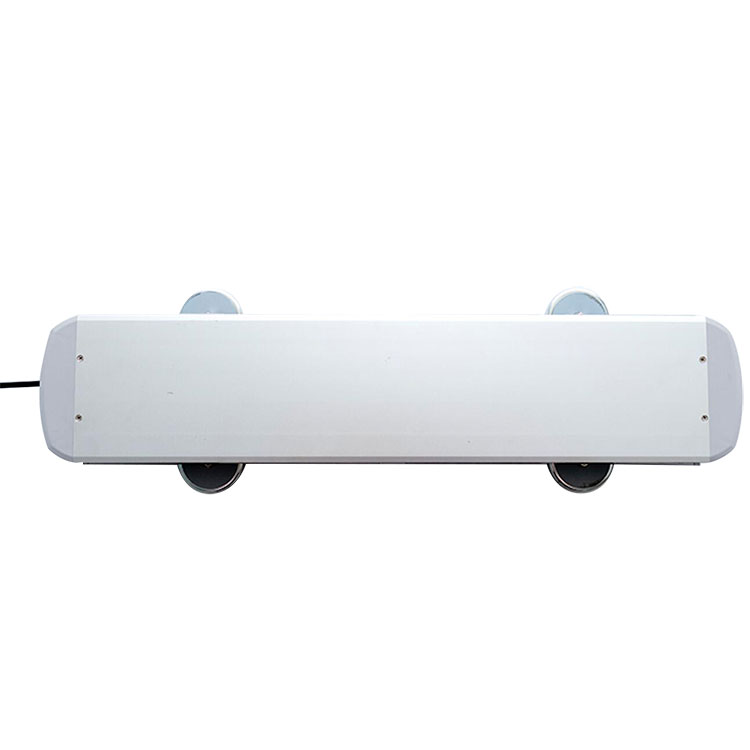
When a vehicle operates near moving traffic, in low-light conditions, or inside a busy work zone, visibility becomes a critical safety concern. Standard headlights and hazard lights may not provide enough warning to distinguish a stopped service vehicle from ordinary traffic. An appropriately selected LED warning lightbar can make the vehicle more recognizable and communicate the need for caution.
However, purchasing a lightbar involves more than comparing brightness or choosing a popular shape. Buyers must consider the intended application, local lighting regulations, vehicle dimensions, installation method, power consumption, and expected operating environment. This guide explains the essential factors that help businesses make informed purchasing decisions and integrate warning lighting into their vehicle safety systems.
1. What Is an LED Warning Lightbar?
An LED warning lightbar is an elongated lighting assembly that uses light-emitting diodes (LEDs) to produce conspicuous warning signals. It is commonly mounted on the roof, upper body, or another suitable position on a vehicle to improve visibility from multiple viewing angles.
Unlike conventional incandescent warning lights, LED-based systems generate light electronically through semiconductor components. Their compact size makes it possible to arrange multiple light modules inside a relatively slim housing, allowing manufacturers to develop different lengths, profiles, colors, and flashing patterns.
Key Components of a Typical Lightbar
- LED modules: Produce the warning light and determine much of the system's optical performance.
- Optical lenses: Distribute light to support visibility from the front, sides, or other intended directions.
- Housing and cover: Protect internal components from dust, moisture, vibration, and physical impact, depending on the design.
- Electronic controller: Manages flashing sequences, operating modes, and supported lighting functions.
- Mounting hardware: Secures the lightbar to the vehicle using a compatible mounting arrangement.
- Wiring and connectors: Supply electrical power and connect the unit to switches or control systems.
Not every LED warning lightbar includes the same features. Some products provide basic flashing signals, while advanced configurations may support multiple selectable patterns, synchronized operation, or additional warning functions. Buyers should verify the actual product specifications rather than assuming that every lightbar offers the same capabilities.
2. How Does an LED Warning Lightbar Work?
An LED warning lightbar converts electrical energy into visible light. Once power reaches the LED modules, the control electronics regulate their operation according to the selected mode. The resulting light output is shaped by the optical system to create a recognizable warning signal.
Step 1: Electrical Power Activates the LEDs
The lightbar receives power from a compatible vehicle electrical system. Depending on the model, the rated input may support a particular DC voltage, such as 12 V or 24 V. The vehicle voltage and the manufacturer's specified operating range must be checked before installation.
Step 2: The Controller Produces a Warning Pattern
The control circuit switches the LED modules in a programmed sequence. Alternating flashes, synchronized groups, and other patterns can create a distinctive signal that attracts attention more effectively than a continuously illuminated lamp in many warning applications.
Step 3: The Optical System Directs the Light
Lenses and reflectors help distribute the emitted light. The optical design influences the viewing angle, apparent brightness, and visibility from different directions. A lightbar that performs well directly in front of a vehicle may offer different visibility from the side, so the intended viewing environment matters.
Step 4: Other Road Users Recognize the Warning
A recognizable warning signal gives nearby drivers, pedestrians, and workers an opportunity to notice the vehicle and respond appropriately. Actual performance depends on ambient light, weather, distance, obstructions, vehicle placement, and the characteristics of the warning device.
Electrical compatibility, optical performance, and control functionality should be evaluated together. A powerful light source alone does not guarantee good visibility or suitability for every operating environment.
3. What Are the Main Benefits of LED Warning Lightbars?
3.1 High Visibility in Different Operating Conditions
LED warning lightbars can provide conspicuous signals for vehicles working near traffic, in parking facilities, at industrial sites, or along roadside maintenance areas. Appropriate optics and well-positioned mounting can help other people recognize a vehicle from useful viewing directions.
Visibility is influenced by both light output and environmental conditions. Fog, rain, snow, direct sunlight, reflective surfaces, and physical obstructions may affect how a warning signal is perceived. Selecting a suitable optical configuration is therefore essential.
3.2 Energy-Efficient Operation
LED technology can deliver useful light output with relatively low electrical power consumption compared with many traditional lighting technologies. This can help reduce the electrical load on vehicles, particularly when warning equipment operates for extended periods.
Actual energy savings depend on the LED design, total power rating, operating pattern, and the alternative lighting technology. Buyers should compare measured power consumption and specified performance instead of relying on general claims alone.
3.3 Long Service Life and Reduced Maintenance
LEDs generally have a long operational life when operated within their specified electrical and thermal limits. Since LED systems do not depend on traditional incandescent filaments, they can also avoid certain common lamp-failure mechanisms.
Nevertheless, the complete lightbar includes electronic components, connectors, wiring, seals, and mechanical parts that can wear or fail. Product quality, heat management, vibration resistance, and environmental protection all contribute to overall service life.
3.4 Flexible Designs and Warning Patterns
LED modules can be arranged in different configurations to accommodate various vehicle sizes and functional requirements. Buyers may be able to specify bar length, mounting hardware, lens configuration, light colors, and control options, depending on the manufacturer's product range.
3.5 Potentially Lower Lifecycle Costs
A suitable LED warning lightbar may reduce maintenance frequency and energy use over its operating life. For fleet operators, these benefits can be important when multiple vehicles require standardized warning equipment.
To evaluate the financial benefit accurately, consider the initial purchase price, installation labor, energy consumption, expected service life, replacement parts, warranty coverage, and downtime costs.
4. Where Are LED Warning Lightbars Used?
LED warning lightbars serve a broad range of commercial, industrial, and public-service applications. The appropriate configuration depends on the vehicle's role and the regulations governing its operation.
Emergency and Public-Service Vehicles
Police vehicles, fire service vehicles, ambulances, and other authorized emergency vehicles may use specialized warning lightbars to communicate urgency and improve recognition. These applications often have strict requirements governing permitted colors, flashing patterns, photometric performance, and equipment certification.
Roadside Assistance and Recovery Vehicles
Towing trucks, breakdown assistance vehicles, and roadside service fleets may need highly visible warning signals while operating near moving traffic. Equipment selection should reflect the vehicle's working position, exposure to weather, and the applicable rules for warning-light colors and use.
Construction and Industrial Vehicles
Construction machinery, maintenance vehicles, forklifts, and industrial transport equipment may operate in areas with pedestrians, limited visibility, or frequent vehicle movement. Warning lightbars can supplement other site safety measures by making equipment more noticeable.
Utility and Municipal Fleets
Road maintenance trucks, sanitation vehicles, electricity service vehicles, and water utility fleets often perform work along roads or in public spaces. Suitable warning lighting helps identify working vehicles and supports more consistent fleet safety procedures.
Commercial and Specialized Vehicles
Airport service vehicles, logistics support equipment, private-site patrol vehicles, and certain agricultural or off-road machines may also use warning lightbars where appropriate. The selected product must match the operating environment and the rules applicable to the specific vehicle.
Before comparing products, identify the vehicle type, operating location, required warning function, viewing directions, and local legal requirements. These details narrow the available choices and reduce the risk of purchasing unsuitable equipment.
5. What Types and Designs Are Available?
5.1 Full-Size LED Warning Lightbars
Full-size lightbars are typically designed for vehicles that need a broad warning-light assembly across the roof or another suitable mounting area. Their length and module arrangement can support multi-directional signaling when the optical design is configured accordingly.
These products are often considered for emergency vehicles, roadside assistance fleets, and larger commercial vehicles. Buyers should check the available mounting space, overall height, vehicle clearance, and installation requirements.
5.2 Low-Profile Lightbars
Low-profile designs reduce the height of the lighting assembly and can be useful where vehicle clearance, appearance, or wind exposure is a concern. However, the low-profile format should still provide adequate optical performance for its intended application.
5.3 Mini LED Warning Lightbars
Compact warning lightbars may suit smaller service vehicles, utility equipment, and applications with limited mounting space. Their smaller size can simplify installation, but buyers should verify that the light distribution and warning coverage meet the actual operational requirements.
5.4 Magnetic and Permanent Mounting Options
Magnetic mounting can be convenient for temporary use on compatible metal surfaces, while permanent mounting provides a more fixed installation. Not all roofs, body panels, or exterior materials are suitable for magnetic mounting. Vehicle speed, surface condition, mounting instructions, and applicable safety requirements must be considered.
5.5 Customizable LED Lightbars
Some manufacturers provide options for length, LED arrangement, lens color, control functions, connector type, and mounting hardware. Customization can be particularly useful for fleet buyers who need consistent specifications across several vehicle models.
Before requesting a custom configuration, prepare a clear technical specification that describes the intended application, required dimensions, voltage, warning colors, control method, environmental conditions, and applicable compliance requirements.
6. What Should Buyers Consider Before Purchasing an LED Warning Lightbar?
For fleet managers, distributors, OEM buyers, and vehicle equipment suppliers, the best product is not necessarily the one with the highest advertised brightness or the lowest unit price. A reliable purchasing decision balances safety requirements, technical compatibility, installation practicality, and long-term operating costs.
6.1 Vehicle Compatibility and Available Space
Measure the intended mounting area and confirm that the lightbar will fit without interfering with doors, roof accessories, antennas, or other equipment. Check the vehicle manufacturer's guidance regarding roof loading, drilling, and structural mounting points.
6.2 Rated Voltage and Power Consumption
Confirm the vehicle's electrical system voltage and the lightbar's supported input range. Review rated current, maximum power consumption, fuse requirements, wire specifications, and any restrictions on continuous operation.
6.3 Light Output and Viewing Angles
Assess whether the warning signal must be visible from the front, rear, sides, or multiple directions. Request relevant photometric data when available, and evaluate the product under conditions similar to its intended operating environment.
Brightness claims should be interpreted carefully. Raw LED output, measured luminous intensity, optical efficiency, and real-world warning visibility are different measures and should not be treated as interchangeable.
6.4 Warning Colors and Regulatory Compliance
Permitted warning-light colors, flash patterns, and equipment specifications vary by jurisdiction and vehicle category. Certain colors and configurations may be reserved for authorized services, while other applications may require specific certifications or performance standards.
Confirm the applicable requirements in the destination market before placing an order. A supplier's general statement of compliance should not replace verification of the exact model, configuration, and supporting documentation.
6.5 Environmental Protection
Vehicles used outdoors may face rain, dust, temperature changes, road vibration, pressure washing, and exposure to cleaning chemicals. Review the specified operating temperature, ingress protection rating, housing materials, sealing design, and vibration resistance.
An IP rating describes defined protection against solid particles and water under specified test conditions. It does not automatically establish resistance to every chemical, high-pressure cleaning method, impact, or prolonged outdoor exposure.
6.6 Control Functions and Installation Requirements
Determine whether the lightbar needs basic on/off operation, selectable patterns, synchronization with other lights, or integration with an existing vehicle control system. Verify connector types, wiring diagrams, controller compatibility, and installation instructions before purchasing.
6.7 Supplier Reliability and After-Sales Support
For B2B buyers, supplier evaluation should include technical communication, product documentation, quality control procedures, warranty terms, spare-part availability, lead times, and the ability to maintain consistent specifications across repeat orders.
OEM and ODM buyers should also clarify sample approval, production tolerances, packaging, branding requirements, inspection procedures, and change-control arrangements before mass production begins.
7. How Do Different Warning Lighting Solutions Compare?
Different lighting formats serve different purposes. The following comparison provides a general purchasing reference; actual performance and suitability depend on the specific product and application.
| Lighting Solution | Typical Advantages | Important Considerations | Potential Applications |
|---|---|---|---|
| LED warning lightbar | Broad lighting layout and multiple configuration options | Mounting space, optical coverage, power, compliance | Emergency, service, roadside, and fleet vehicles |
| LED beacon | Compact, often visible from multiple horizontal directions | Coverage pattern, mounting height, local requirements | Construction equipment and industrial machinery |
| LED grille light | Compact installation at the front of a vehicle | Limited coverage from other directions unless supplemented | Service vehicles and compatible specialized fleets |
| LED surface-mounted light | Flexible placement on suitable body surfaces | Installation location, heat management, wiring access | Utility vehicles and supplemental warning systems |
| Traditional rotating beacon | Familiar warning format with established applications | Technology-specific maintenance and power requirements | Selected industrial and vehicle applications |
How to Interpret the Comparison
An LED warning lightbar is worth considering when a vehicle needs an extended lighting assembly or a configurable warning system. A beacon may be more suitable where a compact, elevated signal is sufficient. Grille and surface-mounted lights can supplement other warning devices when additional coverage is required.
These solutions are not always direct substitutes. Some vehicles require a combination of devices to meet operational or legal requirements. Buyers should assess the complete warning-lighting system rather than selecting equipment solely by category.
8. How Should an LED Warning Lightbar Be Installed?
Correct installation helps protect the lightbar, vehicle electrical system, and people working around the vehicle. Installation should follow the manufacturer's instructions and any applicable vehicle-specific requirements.
Step 1: Confirm the Installation Location
Choose a position that provides the intended warning coverage while preserving visibility for the driver. Check vehicle height restrictions, roof accessories, airflow, access for maintenance, and potential interference with other equipment.
Step 2: Select Compatible Mounting Hardware
Use mounting brackets and fasteners approved for the lightbar and appropriate for the vehicle structure. Ensure the assembly is securely attached and that the mounting method is suitable for the expected vibration, vehicle movement, and operating conditions.
Step 3: Verify Electrical Compatibility
Compare the lightbar's electrical requirements with the vehicle's power supply. Use appropriately rated wiring, connectors, and overcurrent protection. Follow the wiring diagram and manufacturer instructions, and avoid connections that may overload existing circuits.
Step 4: Protect Wiring and Connections
Route cables away from sharp edges, hot surfaces, moving components, and areas exposed to excessive friction. Use suitable grommets, cable protection, strain relief, and weather-resistant connections where required.
Step 5: Test All Intended Functions
After installation, verify the selected warning patterns, control functions, electrical connections, and mounting stability. Confirm that the lighting works as intended and does not interfere with vehicle controls or other electrical equipment.
Vehicle electrical work should be performed by a qualified installer when required. Disconnecting the power source, following vehicle service procedures, and using the correct protective equipment can help reduce the risk of short circuits, equipment damage, and injury.
9. How Can Performance and Service Life Be Maintained?
Even a well-designed LED warning lightbar needs routine inspection. Dust, road film, damaged wiring, loose fasteners, and deteriorated seals can reduce performance or create operational problems over time.
Clean the Optical Surface Regularly
Use cleaning materials and methods recommended by the manufacturer. Avoid abrasive products or aggressive solvents that may scratch the lens, damage coatings, or weaken the housing.
Inspect Mounting Hardware
Check for loose fasteners, damaged brackets, corrosion, and signs of movement. Vehicles operating on rough roads or construction sites may require more frequent inspections because of increased vibration and mechanical stress.
Check Wiring and Connectors
Inspect visible wiring for abrasion, cracking, heat damage, and insecure connections. Address corrosion or moisture intrusion promptly and replace damaged components with compatible parts.
Test the Warning Functions
Establish a regular test schedule based on operating frequency, vehicle risk, and manufacturer guidance. Confirm that the required light modules and patterns function correctly and that the controller responds as expected.
Keep Service Records
Fleet operators can record inspection dates, identified faults, repairs, and component replacements. These records help identify recurring issues, support maintenance planning, and improve consistency across multiple vehicles.
10. What Purchasing Mistakes Should Be Avoided?
Choosing Based on Price Alone
A low purchase price may not reflect the total cost of ownership. Inconsistent quality, limited documentation, unavailable replacement parts, or unsuitable environmental protection can create additional costs. Compare the complete specification and supplier support before making a decision.
Ignoring Legal Requirements
A lightbar that is technically compatible with a vehicle may still be unsuitable for road use in a particular location. Check permitted colors, flash patterns, installation restrictions, and authorization requirements before purchase and deployment.
Overlooking Vehicle Voltage
Never assume that every warning lightbar supports both 12 V and 24 V systems. Verify the rated input range and any required external components to avoid malfunction or damage.
Assuming Every IP Rating Means the Same Thing
Environmental protection claims should be checked against the relevant test standard and product documentation. Consider the actual exposure to rain, dust, cleaning procedures, vibration, and temperature extremes.
Failing to Define Customization Requirements
Vague requests for a custom lightbar can lead to misunderstandings about dimensions, colors, connectors, controls, or mounting hardware. A written technical specification helps the buyer and supplier confirm requirements before production.
Neglecting Samples and Quality Verification
For larger orders, consider evaluating a representative sample before approving mass production. Where appropriate, verify dimensions, electrical performance, lighting functions, packaging, and documentation against the agreed specification.
11. Frequently Asked Questions About LED Warning Lightbars
Q1: What is the main purpose of an LED warning lightbar?
The main purpose is to make a vehicle or piece of equipment more noticeable and communicate a warning to nearby people. Typical applications include emergency response, roadside assistance, construction, utility maintenance, and industrial operations.
Q2: Are LED warning lightbars energy-efficient?
LED warning lightbars can provide useful light output with relatively low power consumption. Actual efficiency depends on the model, optical design, operating mode, and power rating. Buyers should compare product specifications to evaluate energy use accurately.
Q3: Can an LED warning lightbar work with both 12 V and 24 V systems?
Some models support both voltage systems, while others are designed for a specific input voltage. Always check the manufacturer's rated input range and wiring requirements before connecting the lightbar to a vehicle.
Q4: Which warning-light color should I choose?
The correct color depends on the vehicle's function and the laws of the intended operating jurisdiction. Some colors are restricted to authorized emergency or public-service vehicles. Confirm local regulations before selecting the color and flashing configuration.
Q5: Are LED warning lightbars waterproof?
Water resistance varies by product. Check the specified ingress protection rating and installation instructions to understand the conditions the lightbar is designed to withstand. A rating does not automatically guarantee suitability for every immersion, pressure-washing, or chemical-exposure scenario.
Q6: How long does an LED warning lightbar last?
Service life varies with LED quality, operating temperature, electrical conditions, vibration, environmental exposure, and maintenance. Review the manufacturer's service-life data and warranty terms, and remember that the lifespan of the complete assembly may differ from the rated life of the LEDs alone.
Q7: Can LED warning lightbars be customized for fleet applications?
Depending on the manufacturer, customization may include dimensions, LED configuration, warning colors, mounting hardware, connectors, control functions, and branding. Confirm minimum order quantities, sample procedures, production lead times, and compliance requirements before placing a customized order.
Q8: How do I choose the correct lightbar length?
Measure the available mounting space and consider the vehicle's dimensions, desired viewing coverage, mounting position, and applicable restrictions. The longest option is not always the best choice; the selected lightbar must fit securely and perform appropriately for its intended use.
Q9: Do LED warning lightbars require regular maintenance?
Yes. Routine maintenance should include checking the lens, mounting hardware, wiring, connectors, and operating functions. Follow the manufacturer's maintenance schedule and increase inspection frequency when vehicles work in harsh environments.
Q10: What information should I provide when requesting a quotation?
Provide the intended application, vehicle type, required quantity, preferred dimensions, rated voltage, warning colors, control requirements, environmental conditions, destination market, and any relevant compliance standards. For OEM or ODM projects, also specify branding, packaging, mounting arrangements, and customization needs.
12. Conclusion: Choosing the Right LED Warning Lightbar
An LED warning lightbar is an important component of vehicle visibility and warning systems. Its effectiveness depends on more than the number of LEDs or the advertised brightness. Optical performance, mounting position, electrical compatibility, environmental protection, control functions, and legal compliance all influence whether a product meets the needs of a specific application.
For fleet operators and B2B purchasing teams, a structured evaluation process helps reduce installation problems, improve product consistency, and control long-term operating costs. Defining the technical requirements before requesting quotations also makes it easier to compare suppliers and verify product suitability.
When evaluating potential suppliers, look for clear specifications, responsive technical support, dependable quality control, and transparent warranty terms. For customized projects, confirm the design details and sample performance before approving production.
Find the Right Warning Lighting Solution for Your Application
NINGBO NOVA TECHNOLOGY Co., LTD. welcomes inquiries from businesses seeking suitable vehicle lighting products and sourcing solutions. Whether you are evaluating specifications for a new fleet, comparing product configurations, or planning an OEM or ODM project, defining your requirements clearly is the first step toward finding the right solution.
Contact us to discuss your application, technical requirements, customization preferences, and order quantities. Our team can help you clarify the product details needed to move your purchasing project forward.