Article Summary
Outdoor equipment is constantly exposed to harsh environmental conditions, including rain, dust, UV radiation, temperature changes, wind, and accidental impact. Without proper protection, electrical systems, industrial devices, communication equipment, and control components may experience reduced performance, unexpected failures, and increased maintenance costs. Outdoor Protective Enclosures provide an effective solution by creating a secure barrier between sensitive equipment and external threats.
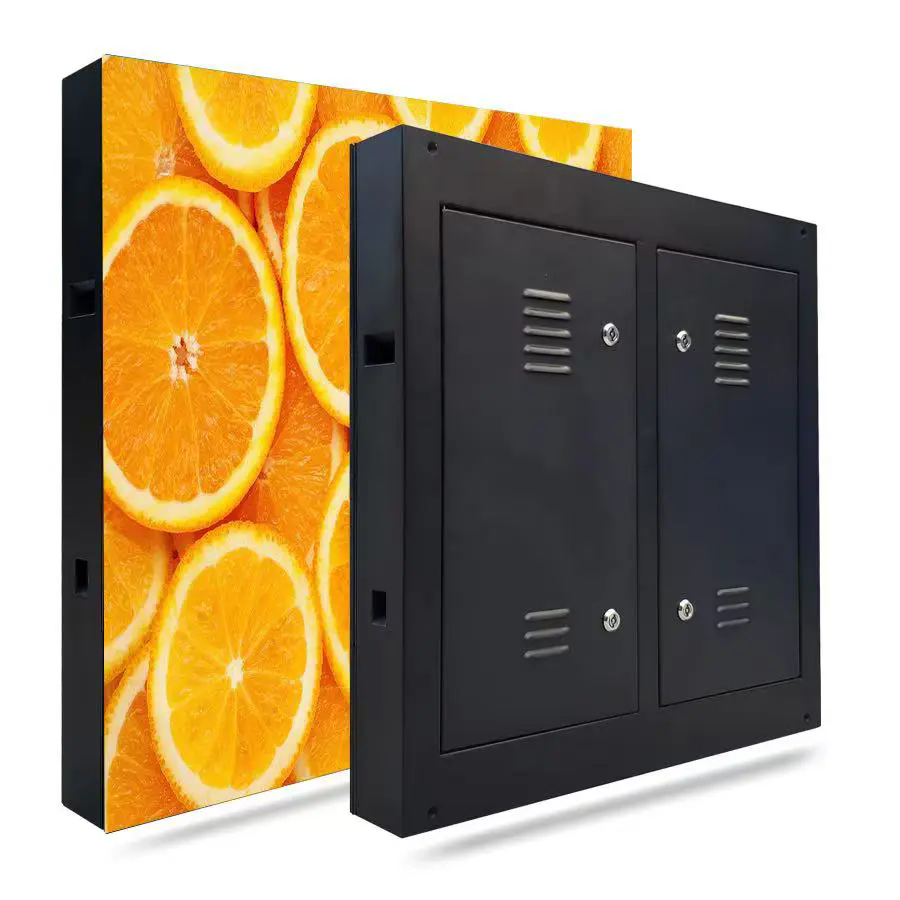
This article explains how Outdoor Protective Enclosures work, why they are important, what factors should be considered when selecting the right enclosure, and how businesses can improve operational stability through reliable protection solutions. With professional manufacturing experience, Shushi provides high-quality outdoor protection solutions designed to meet different application requirements.
Article Outline
-
Understanding the role of Outdoor Protective Enclosures
-
Identifying common outdoor equipment protection challenges
-
Exploring key design features and materials
-
Choosing suitable enclosure solutions for different environments
-
Applications and industry examples
-
Maintenance methods for long-term performance
-
Frequently asked questions about outdoor protection solutions
Why Are Outdoor Protective Enclosures Important?
Modern industries rely heavily on electronic equipment, control systems, sensors, communication devices, and automation components. Many of these systems need to operate continuously in outdoor environments where exposure to natural elements is unavoidable.
Outdoor Protective Enclosures are designed to shield equipment from environmental damage while maintaining safe and stable operation. They help prevent moisture penetration, dust accumulation, corrosion, mechanical damage, and unauthorized access.
For industries such as telecommunications, energy, transportation, manufacturing, and security systems, equipment downtime can result in significant financial losses. A properly designed enclosure reduces these risks by providing a controlled protective environment.
|
Environmental Risk
|
Possible Equipment Impact
|
Protection Provided by Enclosures
|
|
Rain and moisture
|
Short circuits, corrosion, electrical failures
|
Water-resistant protection and sealed structure
|
|
Dust and particles
|
Component contamination and overheating
|
Dust isolation and cleaner internal environment
|
|
UV exposure
|
Material aging and surface damage
|
UV-resistant materials and coatings
|
|
Physical impact
|
Damage to internal equipment
|
Strong mechanical protection
|
What Problems Can Outdoor Equipment Face Without Protection?
Many companies underestimate the impact of outdoor operating conditions. Even high-quality equipment can experience performance issues when exposed directly to changing weather conditions.
Common challenges include:
-
Moisture damage: Water entering electrical systems may cause corrosion, insulation failure, or complete system shutdown.
-
Extreme temperatures: Heat and cold can affect electronic components and reduce service life.
-
Dust contamination: Dust buildup can block ventilation and increase operating temperatures.
-
Security concerns: Outdoor equipment may require additional protection against accidental contact or unauthorized access.
-
Higher maintenance costs: Frequent repairs and replacements increase operational expenses.
Choosing suitable Outdoor Protective Enclosures helps companies solve these challenges by creating a safer operating environment for critical equipment.
What Features Make Outdoor Protective Enclosures Reliable?
A high-performance enclosure must provide more than simple physical coverage. It needs to combine durability, environmental resistance, accessibility, and practical installation design.
|
Feature
|
Function
|
Customer Advantage
|
|
Weather-resistant construction
|
Protects against rain, humidity, and outdoor conditions
|
Improves equipment reliability
|
|
Strong materials
|
Provides impact resistance and structural stability
|
Extends product lifespan
|
|
Heat management design
|
Controls internal temperature
|
Prevents overheating problems
|
|
Secure locking system
|
Limits unauthorized access
|
Enhances equipment safety
|
|
Flexible customization
|
Matches different equipment dimensions
|
Supports various applications
|
Shushi focuses on providing outdoor enclosure solutions that balance protection, functionality, and long-term durability. Customized designs allow different industries to achieve better equipment integration.
How to Select the Right Outdoor Protective Enclosure?
Selecting an enclosure requires careful evaluation of the operating environment and equipment requirements. A wrong choice may reduce protection effectiveness or create unnecessary costs.
Important selection factors include:
-
Environmental conditions: Consider humidity, temperature range, dust levels, and exposure to chemicals or salt air.
-
Equipment dimensions: Ensure enough internal space for installation, wiring, and future upgrades.
-
Protection level requirements: Different applications require different levels of sealing and durability.
-
Material selection: Materials should match the environment to prevent corrosion and aging.
-
Installation requirements: Consider mounting methods, maintenance access, and location limitations.
A professional supplier can help customers analyze application conditions and recommend a suitable protective enclosure configuration.
Where Are Outdoor Protective Enclosures Commonly Used?
Outdoor Protective Enclosures are widely applied in industries where equipment must operate safely in open environments.
|
Industry
|
Typical Applications
|
|
Telecommunications
|
Protection for communication equipment, network devices, and outdoor control systems
|
|
Energy Industry
|
Housing electrical equipment, monitoring systems, and power control components
|
|
Transportation
|
Protecting traffic control systems and roadside equipment
|
|
Manufacturing
|
Supporting outdoor automation and industrial control applications
|
|
Security Systems
|
Protecting surveillance and monitoring devices
|
The versatility of Outdoor Protective Enclosures makes them suitable for both small installations and large industrial projects.
What Benefits Can Businesses Gain?
Investing in reliable outdoor protection solutions brings measurable advantages for businesses.
-
Longer equipment service life: Protection against environmental damage reduces component degradation.
-
Lower maintenance expenses: Fewer failures mean reduced repair frequency and labor costs.
-
Improved operational stability: Protected equipment can maintain consistent performance.
-
Enhanced safety: Enclosures reduce risks related to electrical exposure and physical damage.
-
Better project flexibility: Customized designs support different installation environments.
For companies managing outdoor equipment networks, choosing dependable enclosure solutions is an important step toward improving overall system efficiency.
How to Maintain Outdoor Protective Enclosures?
Although outdoor enclosures are designed for durability, regular maintenance helps maximize their service life.
-
Inspect sealing components regularly to ensure protection performance.
-
Remove accumulated dust or debris from ventilation areas.
-
Check locking systems and mounting structures.
-
Inspect surfaces for corrosion or physical damage.
-
Confirm that internal equipment remains properly arranged and ventilated.
A preventive maintenance schedule can help identify potential issues before they affect equipment operation.
Frequently Asked Questions
Q1: What are Outdoor Protective Enclosures used for?
Outdoor Protective Enclosures are used to protect electrical, electronic, communication, and industrial equipment from weather, dust, impact, and other environmental risks.
Q2: Can Outdoor Protective Enclosures be customized?
Yes. Many enclosure solutions can be customized according to equipment size, installation environment, material requirements, and functional needs.
Q3: What materials are commonly used for outdoor enclosures?
Common materials include stainless steel, aluminum, and other durable materials selected according to corrosion resistance, strength, and environmental conditions.
Q4: How do outdoor enclosures improve equipment lifespan?
They reduce exposure to moisture, dust, temperature changes, and physical damage, helping equipment operate more reliably for a longer period.
Q5: Why choose Shushi for Outdoor Protective Enclosures?
Shushi provides professional outdoor protection solutions with attention to quality, durability, customization capability, and customer application requirements.
Conclusion
Outdoor environments create many challenges for sensitive equipment, but reliable protection solutions can significantly reduce operational risks. Outdoor Protective Enclosures provide a practical way to improve safety, extend equipment lifespan, and maintain stable performance in demanding conditions.
By selecting the right enclosure design, material, and configuration, businesses can achieve better protection and reduce long-term maintenance costs. Shushi continues to provide dependable outdoor enclosure solutions designed to support different industries and applications. For professional assistance and customized solutions, please contact us today.