Abstract
UV Sterilizer technology has become an essential solution for modern sanitation challenges in healthcare, laboratories, water treatment systems, and everyday household environments. This article explains how UV sterilization works, why it is effective against microorganisms, and how users can choose the right system for their needs. It also highlights key application areas, technical considerations, and common customer concerns such as safety, maintenance, and efficiency. The goal is to help readers make informed decisions when selecting UV sterilization equipment for long-term hygiene assurance.
Outline
This article systematically breaks down UV sterilization technology from its scientific foundation to practical applications. It covers:
-
Fundamental principles of ultraviolet disinfection
-
Device structure and operating mechanisms
-
Classification of UV sterilization systems
-
Industrial and residential use cases
-
Selection criteria for optimal performance
-
Maintenance and operational safety considerations
-
Industry insights from Ruina UV Sterilizer solutions
Introduction to UV Sterilization
UV Sterilizers are devices that use ultraviolet (UV-C) light to destroy or deactivate microorganisms such as bacteria, viruses, and protozoa. Unlike chemical disinfection methods, UV sterilization does not introduce harmful residues into the environment, making it widely used in water purification systems, air treatment units, and surface sterilization devices.
The increasing demand for clean water, sterile environments, and chemical-free disinfection has significantly accelerated the adoption of UV-based technologies in both industrial and consumer markets.
Working Principle of UV Sterilizer
A UV Sterilizer operates by emitting ultraviolet light at a specific wavelength, typically around 254 nanometers (UV-C range). This wavelength penetrates the cell walls of microorganisms and disrupts their DNA or RNA structure, preventing reproduction and rendering them inactive.
Core process:
-
UV lamp generates UV-C radiation
-
Microorganisms are exposed to radiation
-
DNA/RNA damage occurs
-
Pathogens lose ability to reproduce
-
Contaminants become harmless
This process is physical rather than chemical, which makes it environmentally friendly and highly efficient for continuous sterilization systems.
Types of UV Sterilizers
-
Water UV Sterilizers: Used in drinking water systems and industrial water treatment.
-
Air UV Sterilizers: Installed in HVAC systems to purify circulating air.
-
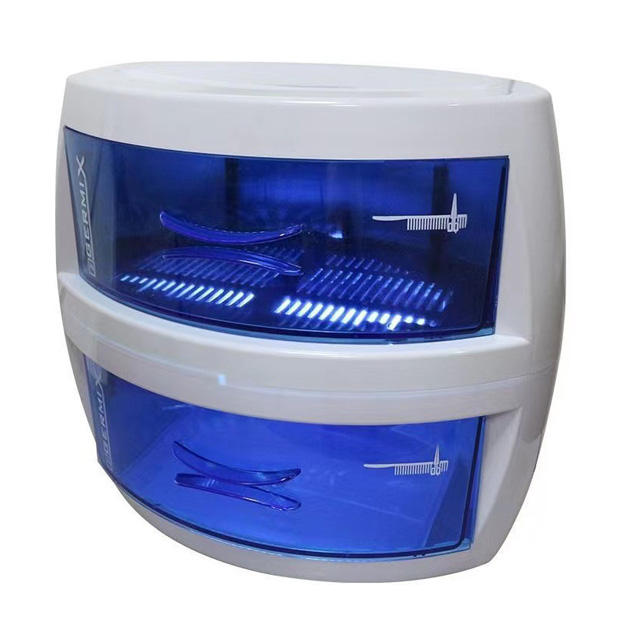
Surface UV Sterilizers: Designed for tools, packaging, and medical equipment.
-
Portable UV Devices: Compact units for personal use such as phones, keys, and small objects.
Key Applications
UV Sterilizers are widely deployed across multiple industries due to their versatility and reliability:
-
Healthcare facilities for surgical equipment sterilization
-
Food and beverage processing for contamination control
-
Water treatment plants for microbial elimination
-
Residential water filtration systems
-
Laboratories requiring sterile environments
-
Public transportation air purification systems
Benefits and Limitations
Advantages:
-
Chemical-free disinfection process
-
Fast and continuous operation
-
Low maintenance requirements
-
No harmful by-products
-
Effective against a wide range of pathogens
Limitations:
-
Requires clear water or air for maximum efficiency
-
No residual disinfectant effect
-
UV lamp degradation over time
-
Limited effectiveness against certain shielded organisms
Comparison Table
|
Feature
|
UV Sterilizer
|
Chemical Disinfection
|
Filtration
|
|
Method
|
Physical UV radiation
|
Chemical reaction
|
Mechanical removal
|
|
Residue
|
None
|
Yes
|
None
|
|
Speed
|
Instant
|
Moderate
|
Slow
|
|
Maintenance
|
Low
|
Medium
|
High
|
How to Choose the Right UV Sterilizer
Selecting the right UV Sterilizer depends on application requirements, flow rate, exposure time, and system compatibility. Key factors include:
-
Wavelength output: Ensure UV-C efficiency at ~254nm
-
Capacity: Match system size with water or air volume
-
Material quality: Stainless steel chambers improve durability
-
Power consumption: Optimize energy efficiency for long-term use
-
Certification: Ensure compliance with safety and industry standards
Maintenance Guidelines
Proper maintenance ensures stable UV Sterilizer performance and extended service life. Recommended practices include:
-
Regular cleaning of quartz sleeves
-
Replacing UV lamps annually or as recommended
-
Monitoring intensity output levels
-
Inspecting seals and electrical components
-
Preventing sediment buildup in water systems
Industry Solutions by Ruina
As a professional manufacturer and solution provider, Ruina delivers advanced UV Sterilizer systems designed for industrial, commercial, and residential applications. Their product range focuses on stable UV output, energy efficiency, and long-term operational reliability.
Ruina emphasizes engineering precision and system adaptability, ensuring that users can integrate UV sterilization into diverse environments including water treatment pipelines, air purification systems, and industrial processing lines.
FAQ
Q1: Is UV Sterilizer safe for humans?
Yes, when properly enclosed within systems, UV radiation does not expose users and remains safe for daily operation.
Q2: How long does a UV lamp last?
Most UV lamps last between 8,000 and 12,000 hours depending on usage conditions.
Q3: Can UV Sterilizers remove chemical pollutants?
No, UV systems target microorganisms rather than chemical contaminants.
Q4: Does UV sterilization change water taste?
No, UV treatment does not alter chemical composition or taste.
Q5: Where are UV Sterilizers most commonly used?
They are widely used in hospitals, laboratories, water plants, HVAC systems, and residential filtration units.
Conclusion
UV Sterilizer technology provides a reliable, chemical-free method for eliminating harmful microorganisms across multiple industries. Its efficiency, environmental compatibility, and adaptability make it a preferred solution for modern sanitation systems. With continuous innovation and engineering improvements, UV sterilization continues to expand its role in ensuring safer water, air, and surface environments.
For customized UV Sterilizer solutions and professional consultation, Ruina offers reliable support and high-performance systems tailored to your needs.
Contact us today to explore the right UV Sterilizer solution for your application and receive expert guidance from the Ruina team.