

How Does TFT Display Enhance Modern Devices?
2025-10-30
TFT Display technology has revolutionized the way visual information is presented in modern electronics. TFT displays are a type of LCD (Liquid Crystal Display) that uses thin-film transistor technology to improve image quality, response times, and color accuracy. Unlike traditional passive-matrix LCDs, TFT displays allow each pixel to be controlled individually, resulting in sharper images, higher refresh rates, and more precise color reproduction.
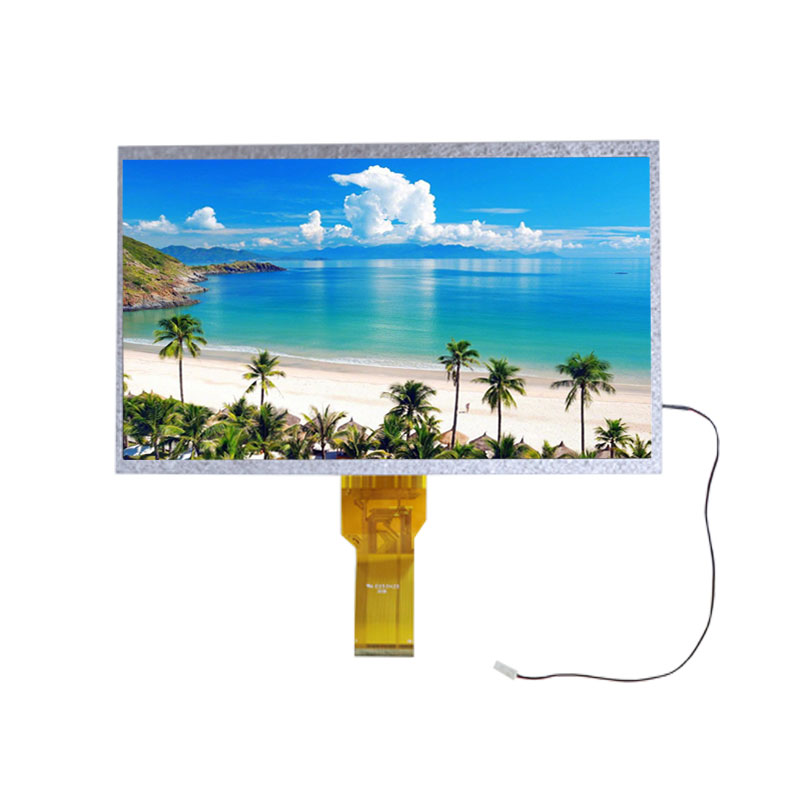
Modern applications of TFT displays range from smartphones, tablets, and laptops to industrial machinery, automotive dashboards, medical devices, and even large-scale digital signage. Their popularity stems from the ability to deliver high-resolution visuals while maintaining low power consumption and compact form factors. The central purpose of this article is to explore the capabilities, advantages, and future trends of TFT displays while providing detailed insights into their specifications and practical uses.
Key TFT Display Parameters:
| Parameter | Description |
|---|---|
| Screen Size | 1.44” – 15.6” (customizable for industrial or consumer use) |
| Resolution | 128×128 – 1920×1080 (Full HD) |
| Pixel Pitch | 0.095mm – 0.30mm |
| Brightness | 300 – 1000 nits (adjustable for outdoor visibility) |
| Contrast Ratio | 400:1 – 1000:1 |
| Viewing Angle | 70° – 178° horizontal/vertical |
| Response Time | 1ms – 16ms |
| Backlight Type | LED (standard), optional RGB LED for enhanced color |
| Interface | SPI, RGB, TTL, LVDS, MIPI DSI |
| Operating Temperature | -20°C to 70°C (industrial grade) |
| Touch Options | Resistive, capacitive, or no touch |
| Lifetime | 30,000 – 60,000 hours |
These parameters highlight how TFT displays can be tailored for specific applications, whether it’s for high-definition mobile devices, industrial equipment, or advanced automotive systems. Their adaptability makes them a core component in the ongoing miniaturization and digital transformation of modern electronics.
Why Choose TFT Display Over Other Display Technologies?
TFT displays have several advantages over alternative display types like OLED, AMOLED, or traditional LCDs, which make them ideal for diverse applications:
-
Superior Image Clarity and Color Accuracy:
TFT technology allows precise control of individual pixels, producing vibrant colors and sharp text even in challenging lighting conditions. -
High Refresh Rates and Low Latency:
Unlike passive-matrix LCDs, TFT displays can refresh quickly, making them suitable for dynamic applications such as gaming, video streaming, and real-time industrial monitoring. -
Durability and Long Lifespan:
TFT displays with LED backlighting have a long operational life and are less prone to screen burn-in compared to OLED alternatives. -
Wide Operating Temperature Range:
Industrial-grade TFT displays operate effectively under extreme temperatures, making them suitable for medical equipment, automotive dashboards, and outdoor digital signage. -
Customization and Flexibility:
TFT panels can be designed in various sizes, aspect ratios, resolutions, and touch configurations to match precise product requirements. -
Cost-Effectiveness:
For applications requiring mass production, TFT displays provide a balanced solution between quality, durability, and production cost.
Common Applications of TFT Displays:
-
Consumer Electronics: Smartphones, tablets, laptops, smartwatches
-
Automotive Displays: Instrument clusters, infotainment systems, navigation panels
-
Industrial Displays: Control panels, diagnostic tools, machine interfaces
-
Medical Devices: Patient monitors, diagnostic equipment screens
-
Retail and Public Information: Digital signage, kiosks, advertising displays
The combination of these advantages explains why TFT displays remain a preferred choice in both consumer and industrial sectors despite the rise of newer technologies like OLED.
How Does TFT Display Technology Work and What Are Its Future Trends?
How TFT Displays Operate:
A TFT display consists of a liquid crystal layer sandwiched between two glass substrates, with thin-film transistors (TFTs) placed at each pixel junction. The TFTs act as switches, controlling the flow of current to the liquid crystals, which in turn adjust the light passing through. This mechanism allows precise pixel-by-pixel control, resulting in clearer images, accurate colors, and improved contrast.
The backlight, usually composed of LEDs, provides uniform illumination across the screen. Modern TFT displays often integrate capacitive or resistive touch panels, enhancing interactivity for devices like smartphones, industrial controllers, and medical instruments.
Emerging Trends in TFT Display Technology:
-
High-Resolution and Ultra-HD Panels:
As devices demand sharper visuals, TFT displays are evolving to support 4K and 8K resolutions for enhanced clarity in gaming, industrial monitoring, and high-definition media. -
Flexible and Foldable TFT Displays:
Innovations in flexible substrates enable curved and foldable panels, paving the way for next-generation smartphones, automotive dashboards, and wearable devices. -
Energy Efficiency Improvements:
Advanced LED backlighting and low-power driver ICs reduce energy consumption, extending battery life in portable devices and decreasing operating costs in industrial applications. -
Enhanced Touch and Interaction Features:
Multi-touch and gesture-based interfaces are being integrated with TFT panels for more intuitive device interactions, from point-of-sale systems to in-car infotainment. -
Integration with IoT and Smart Devices:
TFT displays are increasingly connected to IoT systems for real-time monitoring, smart home integration, and industrial automation.
TFT Display FAQs:
Q1: What is the difference between TFT and standard LCD displays?
A1: Standard LCDs often use passive-matrix technology, where rows and columns control pixels collectively. TFT displays use active-matrix technology, with a thin-film transistor for each pixel, resulting in higher clarity, faster response, and better color accuracy.
Q2: Can TFT displays operate in extreme temperatures?
A2: Yes, industrial-grade TFT displays are designed to function effectively in temperatures ranging from -20°C to 70°C, making them suitable for outdoor, automotive, and industrial applications.
Key Advantages, Applications, and Brand Integration
TFT displays offer an optimal balance of performance, reliability, and versatility. By combining high-resolution visuals, fast response times, customizable touch interfaces, and broad operating ranges, they support a wide array of applications. From consumer electronics to industrial machinery and automotive systems, TFT technology enables devices to deliver superior user experiences.
The future of TFT displays continues to expand, with flexible, ultra-HD, and energy-efficient panels driving innovation in consumer, automotive, medical, and industrial markets. As display demands evolve, TFT technology remains a reliable foundation for high-performance visual interfaces.
JDA stands at the forefront of TFT display manufacturing, offering products that meet the highest standards of quality, performance, and adaptability. With JDA’s TFT display solutions, businesses can ensure cutting-edge visual technology for their devices, whether in consumer electronics, industrial systems, or specialized applications. For detailed specifications, custom solutions, or technical support, contact us to explore how JDA TFT displays can elevate your products.