

How Does an LCD Display Improve Modern Interactive Applications?
2026-08-21
Article Summary
LCD Display technology has become an essential visual solution for countless industries, including consumer electronics, industrial control systems, medical equipment, smart devices, automotive applications, and commercial terminals. As users demand clearer images, lower power consumption, and more reliable performance, choosing the right display solution has become a critical challenge for manufacturers and system integrators.
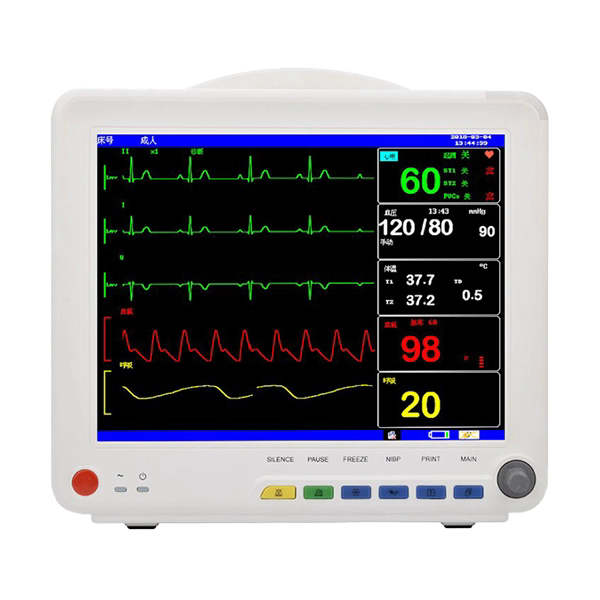
This article explains how LCD Display technology works, why it is widely adopted, what factors should be considered during selection, and how professional display solutions from SKY-TDM help businesses overcome common challenges such as poor visibility, unstable performance, limited customization, and inefficient user interaction.
Table of Contents
- 1. Introduction to LCD Display Technology
- 2. How Does an LCD Display Work?
- 3. What Advantages Does an LCD Display Provide?
- 4. Where Are LCD Displays Commonly Used?
- 5. How to Choose the Right LCD Display Solution?
- 6. Key Factors Comparison for LCD Display Selection
- 7. Why Custom LCD Display Solutions Matter
- 8. Future Development Trends of LCD Display Technology
- 9. Frequently Asked Questions About LCD Display
1. Introduction to LCD Display Technology
A reliable visual interface plays an important role in modern electronic products. Whether users operate medical equipment, check information on industrial machines, or interact with smart devices, the quality of the display directly affects usability and efficiency. Among various display technologies available today, LCD Display remains one of the most practical and widely applied solutions.
LCD Display refers to a display technology that uses liquid crystal materials controlled by electrical signals to regulate light transmission and create images. Compared with traditional display technologies, LCD solutions offer excellent balance between image quality, energy efficiency, durability, and production cost.
With continuous improvements in panel design, backlight systems, touch integration, and manufacturing processes, modern LCD Display products can meet increasingly complex application requirements. Companies require displays that are not only visually clear but also stable under different working environments.
SKY-TDM provides professional LCD Display solutions designed for different industries and applications. By combining advanced manufacturing technology with customized engineering support, SKY-TDM helps customers develop display products that match specific performance requirements.
2. How Does an LCD Display Work?
Understanding how an LCD Display operates helps businesses select suitable display components for their products. Unlike self-emitting display technologies, LCD panels rely on controlling light rather than generating light directly.
The basic working process includes several important components:
- Backlight System: Provides the light source behind the panel. Modern LCD displays commonly use LED backlighting because it offers better brightness efficiency and longer service life.
- Liquid Crystal Layer: Controls the direction of light transmission when electrical voltage is applied.
- Polarizing Filters: Manage light direction to produce visible images.
- Color Filters: Generate different colors by controlling red, green, and blue light components.
- Control Circuit: Processes signals and controls individual pixels to display accurate images.
When electrical signals reach the liquid crystal layer, the molecules adjust their orientation. This adjustment changes how much light passes through each pixel. Millions of pixels work together to create detailed images and smooth visual performance.
This precise control mechanism allows LCD Display products to deliver consistent image quality across many applications. For manufacturers, this means reliable operation, predictable performance, and easier product integration.
3. What Advantages Does an LCD Display Provide?
Businesses selecting display components need to consider long-term reliability, operating environment, and user experience. LCD Display technology offers several advantages that make it suitable for both simple and advanced electronic systems.
| Advantage | Description | Customer Benefit |
|---|---|---|
| High Image Clarity | Provides detailed images with accurate colors and stable brightness. | Improves readability and user interaction. |
| Low Power Consumption | Uses efficient backlight and optimized panel structures. | Extends device operating time and reduces energy costs. |
| Long Service Life | Designed for continuous operation in different environments. | Reduces replacement frequency and maintenance expenses. |
| Flexible Sizes | Available in various dimensions and configurations. | Supports different product designs and applications. |
| Customization Capability | Can be modified according to customer requirements. | Helps manufacturers create differentiated products. |
One major advantage of LCD Display technology is its adaptability. From compact handheld devices to large industrial control panels, LCD solutions can be designed according to different size, brightness, interface, and environmental requirements.
Another important benefit is stability. Many industrial and commercial applications require displays to operate continuously for thousands of hours. A properly designed LCD Display solution can maintain consistent performance while reducing unexpected failures.
4. Where Are LCD Displays Commonly Used?
The application range of LCD Display technology continues expanding because modern industries require efficient human-machine interaction systems. Different industries have unique requirements, but LCD solutions can be adapted to satisfy various conditions.
- Industrial Equipment: LCD displays are widely used in automation systems, machine controls, measurement instruments, and monitoring equipment. Clear information presentation helps operators improve productivity and reduce operation errors.
- Medical Devices: Medical equipment requires accurate and stable visual information. LCD Display solutions provide clear readings for monitoring systems, diagnostic equipment, and healthcare devices.
- Automotive Systems: Vehicle dashboards, navigation systems, and control interfaces depend on durable displays that can operate under vibration, temperature changes, and long-term usage.
- Smart Terminals: Self-service kiosks, payment machines, and information terminals use LCD Display technology to create convenient interactive experiences.
- Consumer Electronics: Portable devices, home appliances, and smart products rely on compact and efficient display solutions.
The flexibility of LCD Display technology allows manufacturers to balance performance, cost, and design requirements. With professional support from SKY-TDM, customers can select suitable display configurations for different product environments.
5. How to Choose the Right LCD Display Solution?
Selecting the appropriate LCD Display is a crucial step for manufacturers developing electronic products. A display that does not match the application environment may cause problems such as poor visibility, short service life, high maintenance costs, or user dissatisfaction.
Before choosing an LCD Display solution, businesses should evaluate several important factors:
- Display Size: The physical dimensions of the screen should match the product structure and user operation requirements. Compact devices may require small displays, while industrial equipment often needs larger panels for easier monitoring.
- Resolution Requirements: Higher resolution provides more detailed images and clearer information presentation. Applications involving graphics, data visualization, or medical images usually require higher pixel density.
- Brightness Level: The working environment determines the required brightness. Outdoor applications need higher brightness performance to maintain visibility under strong lighting conditions.
- Viewing Angle: Wide viewing angles allow users to read information from different positions, which is especially important for public terminals and industrial equipment.
- Operating Temperature: Different industries may require displays that function reliably in extreme temperatures, including cold storage environments or outdoor equipment.
- Interface Compatibility: The display interface must match the control system of the final product to ensure smooth communication and stable operation.
- Touch Function Requirements: Many modern applications require interactive operation. Touch integration can improve convenience and create a more efficient user experience.
A professional LCD Display supplier should provide technical guidance during the selection process. SKY-TDM focuses on understanding customer requirements and offering suitable display solutions instead of simply providing standard products.
6. Key Factors Comparison for LCD Display Selection
Different LCD Display specifications influence product performance in different ways. Understanding these differences helps companies make better purchasing decisions.
| Selection Factor | Standard Requirement | Advanced Requirement | Recommended Application |
|---|---|---|---|
| Brightness | Suitable for indoor environments | High brightness for outdoor visibility | Outdoor terminals, vehicle systems |
| Resolution | Basic information display | Detailed graphics and images | Medical devices, smart equipment |
| Touch Capability | Optional operation | Multi-touch interactive control | Smart terminals and control panels |
| Temperature Range | Normal operating conditions | Wide temperature resistance | Industrial and outdoor equipment |
| Customization | Standard panel design | Customized size, interface, and structure | Specialized electronic products |
Choosing the right specifications depends on the final application rather than selecting the most advanced option available. An optimized LCD Display solution should provide sufficient performance while maintaining reasonable cost efficiency.
For example, an indoor information terminal may not require extreme brightness, while an outdoor monitoring device may need enhanced visibility, stronger protection, and wider operating temperature support.
7. Why Custom LCD Display Solutions Matter
Standard display products can meet many general requirements, but some industries need customized solutions because their products have unique structures, operating conditions, or functional demands.
A customized LCD Display can solve several common customer challenges:
- Special Product Dimensions: Some devices require displays with unusual sizes or shapes. Custom manufacturing allows the display to fit perfectly into the product design.
- Specific Interface Requirements: Different electronic systems may use different communication methods. Customized interfaces improve compatibility and reduce development difficulties.
- Environmental Adaptation: Industrial applications may require enhanced protection against dust, vibration, moisture, or temperature changes.
- Improved User Experience: Customized brightness, touch functions, and viewing characteristics help create more efficient interaction.
- Brand Differentiation: Unique display designs allow companies to develop products with stronger market competitiveness.
SKY-TDM understands that every application has different technical requirements. Through professional engineering support and manufacturing experience, SKY-TDM provides LCD Display solutions that help customers improve product reliability and functionality.
From initial design consultation to final production, a complete customization process can reduce development risks and ensure the display performs correctly in real-world conditions.
8. Future Development Trends of LCD Display Technology
Although new display technologies continue emerging, LCD Display remains an important solution because of its mature manufacturing process, reliable performance, and broad application compatibility.
Future LCD Display development will focus on improving efficiency, visual performance, and integration capabilities.
- Higher Energy Efficiency: Manufacturers continue improving backlight systems and panel structures to reduce power consumption.
- Better Image Performance: Improved color accuracy, contrast, and brightness control will enhance visual experiences.
- Smart Integration: More LCD displays will combine touch technology, sensors, and intelligent control functions.
- Industrial Reliability: Displays designed for harsh environments will receive stronger protection and improved durability.
- Flexible Product Design: Customized structures will allow displays to fit more innovative applications.
As industries continue adopting digital interfaces, the demand for reliable LCD Display solutions will remain strong. Companies need display partners who understand both technology requirements and practical application challenges.
SKY-TDM continues focusing on display innovation and customer-oriented solutions, helping businesses develop products with reliable visual performance and long-term value.
9. Frequently Asked Questions About LCD Display
Q1: What is an LCD Display mainly used for?
An LCD Display is mainly used for presenting visual information in electronic devices and systems. Common applications include industrial machines, medical equipment, automotive systems, smart terminals, consumer electronics, and control interfaces.
Q2: Why is LCD Display still widely used today?
LCD Display technology remains popular because it provides a good balance between image quality, energy efficiency, durability, production cost, and customization flexibility.
Q3: Can an LCD Display be customized for special products?
Yes. Customized LCD Display solutions can be developed according to specific requirements, including size, brightness, interface, touch function, operating temperature, and structural design.
Q4: How can businesses select the best LCD Display supplier?
Businesses should evaluate supplier experience, manufacturing capability, customization support, quality control processes, and technical service ability. A reliable supplier should provide solutions that match the actual application environment.
Q5: What factors affect LCD Display lifespan?
The lifespan of an LCD Display depends on factors such as operating temperature, usage frequency, backlight quality, environmental conditions, and product design. Proper selection and installation can significantly improve service life.
Conclusion
LCD Display technology continues playing an important role in modern electronic products because it delivers reliable visual performance, flexible design options, and practical cost advantages. From industrial systems to intelligent consumer devices, high-quality displays help improve efficiency, usability, and product value.
Choosing the right display requires careful consideration of application requirements, environmental conditions, and long-term performance expectations. With professional experience and customized capabilities, SKY-TDM provides dependable LCD Display solutions designed to meet different customer needs.
If you are looking for a reliable LCD Display solution that matches your product requirements, SKY-TDM is ready to provide professional support and customized options. Please contact us today to discuss your display project and discover the right solution for your application.