

How Does an Explosion Proof Signal Light Improve Safety in Hazardous Environments?
2026-02-05
Article Abstract
An Explosion Proof Signal Light plays a critical role in ensuring operational safety in hazardous and potentially explosive environments such as oil refineries, chemical plants, offshore platforms, and mining facilities. This article explains how Explosion Proof Signal Lights function, what problems they solve for industrial users, and how to select the right model for specific working conditions. It provides a structured overview of design principles, application scenarios, technical considerations, and maintenance practices, helping decision-makers reduce risks, improve compliance, and maintain reliable visual signaling in demanding environments.
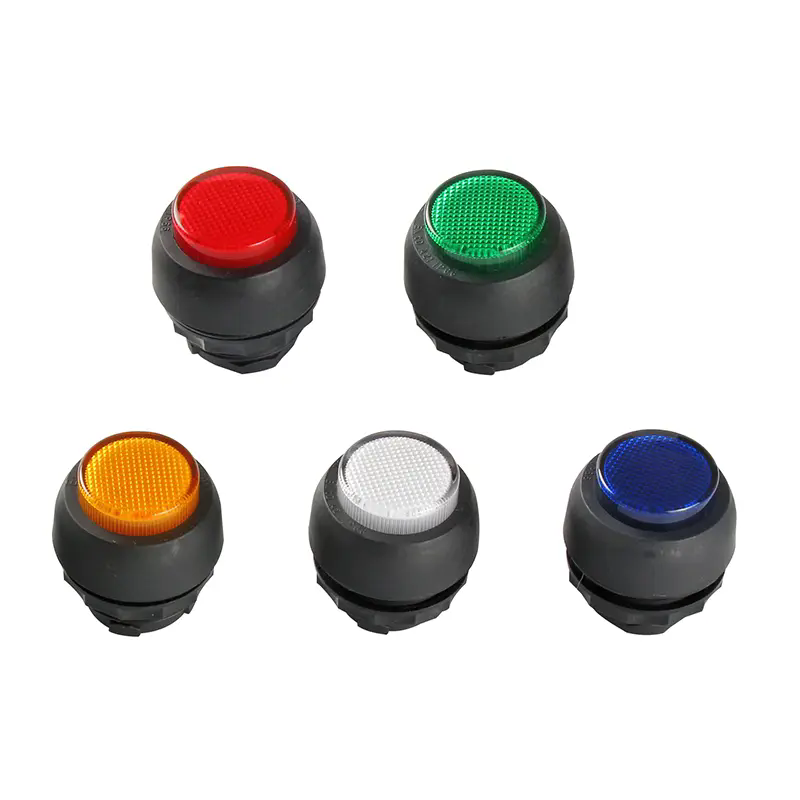
Table of Contents
- Industry Challenges in Hazardous Areas
- What Is an Explosion Proof Signal Light
- How Explosion Proof Signal Lights Work
- Key Safety and Operational Benefits
- Main Application Scenarios
- Technical Parameters to Evaluate
- Installation and Maintenance Considerations
- Comparison with Standard Signal Lights
- Frequently Asked Questions
- Conclusion and Next Steps
Industry Challenges in Hazardous Areas
Industrial facilities that handle flammable gases, combustible dust, or volatile liquids face constant safety challenges. A single spark, overheated component, or electrical fault can trigger catastrophic consequences. In such environments, visual signaling devices must operate reliably without becoming an ignition source.
Common customer pain points include insufficient visibility in complex sites, frequent signal light failures due to harsh conditions, uncertainty about compliance, and high maintenance costs. These challenges highlight the need for specialized signaling equipment designed specifically for hazardous locations.
What Is an Explosion Proof Signal Light
An Explosion Proof Signal Light is a visual warning and status indication device engineered to prevent internal ignition from igniting the surrounding explosive atmosphere. Its enclosure is designed to withstand internal explosions and contain sparks or heat within the housing.
Unlike conventional signal lights, explosion proof models use reinforced structures, flame-path designs, and certified materials to ensure safe operation even under extreme industrial conditions.
How Explosion Proof Signal Lights Work
The core principle behind an Explosion Proof Signal Light is containment and isolation. Electrical components that could generate heat or sparks are sealed within a robust enclosure. If an internal ignition occurs, the enclosure prevents flame propagation to the external environment.
Advanced designs also focus on thermal management, ensuring surface temperatures remain below ignition thresholds. High-efficiency LED technology is commonly used to deliver strong visibility with minimal heat generation.
Key Safety and Operational Benefits
- Enhanced on-site safety through reliable visual alerts
- Reduced risk of ignition in explosive atmospheres
- Long service life with minimal maintenance requirements
- Clear visibility in dusty, smoky, or low-light conditions
- Stable performance in corrosive and high-vibration environments
For operators, these benefits translate into fewer shutdowns, improved situational awareness, and stronger overall safety management.
Main Application Scenarios
Explosion Proof Signal Lights are widely used across industries where hazardous materials are present. Typical applications include:
- Oil and gas production and processing facilities
- Chemical and pharmaceutical manufacturing plants
- Mining operations and underground tunnels
- Marine and offshore engineering platforms
- Grain handling and dust-prone processing plants
In these environments, signal lights are used for equipment status indication, emergency warnings, process alerts, and access control signaling.
Technical Parameters to Evaluate
Selecting the right Explosion Proof Signal Light requires careful evaluation of technical specifications. The following table highlights key parameters commonly reviewed by industrial buyers.
| Parameter | Description |
|---|---|
| Explosion Protection Rating | Defines suitability for gas, vapor, or dust hazardous zones |
| Light Source | Typically high-efficiency LED for durability and low heat |
| Voltage Range | Supports various industrial power supply standards |
| Ingress Protection | Resistance to dust, water, and harsh environments |
| Operating Temperature | Ensures stable performance in extreme climates |
Understanding these parameters helps reduce mismatches between product capability and real-world operating conditions.
Installation and Maintenance Considerations
Proper installation is essential for maintaining explosion protection integrity. Signal lights must be mounted according to specified orientations, torque values, and wiring guidelines. Any unauthorized modification can compromise safety.
From a maintenance perspective, Explosion Proof Signal Lights are designed for long-term use. Routine inspections typically focus on enclosure integrity, cable entries, and lens condition rather than frequent component replacement.
Comparison with Standard Signal Lights
While standard signal lights may appear cost-effective initially, they are unsuitable for hazardous locations. Explosion Proof Signal Lights offer clear advantages in safety, durability, and compliance.
- Standard models lack reinforced enclosures
- Explosion proof designs minimize ignition risks
- Industrial-grade materials ensure longer lifespan
- Reduced downtime in critical operations
For high-risk environments, the choice is less about cost and more about risk control and operational continuity.
Frequently Asked Questions
What makes an Explosion Proof Signal Light different from a flameproof light?
Explosion proof signal lights are specifically designed for signaling and indication purposes, with optimized visibility and enclosure structures suitable for hazardous areas.
Can Explosion Proof Signal Lights be used outdoors?
Yes, most models are designed to withstand rain, dust, UV exposure, and temperature fluctuations commonly found in outdoor industrial settings.
How often should these signal lights be inspected?
Inspection intervals depend on site conditions, but regular visual checks and scheduled maintenance are recommended to ensure long-term reliability.
Conclusion and Next Steps
An Explosion Proof Signal Light is not just a warning device but a critical safety component in hazardous industrial environments. By addressing ignition risks, improving visibility, and supporting stable operations, these products help organizations protect both personnel and assets.
YXFB specializes in the design and manufacture of Explosion Proof Signal Lights tailored to demanding industrial applications. For facilities seeking reliable signaling solutions with proven performance, selecting the right partner is essential.
To learn more about suitable models, application guidance, and customized solutions, contact us today and explore how YXFB can support safer and more efficient operations.