

How Does a White Light Camera Enhance Imaging Accuracy?
2025-12-25
Abstract: White Light Cameras are increasingly essential in precision imaging and measurement across industrial, scientific, and medical applications. This article provides a detailed guide on how White Light Cameras operate, their technical specifications, applications, and answers the most common questions professionals encounter when selecting or using these devices.
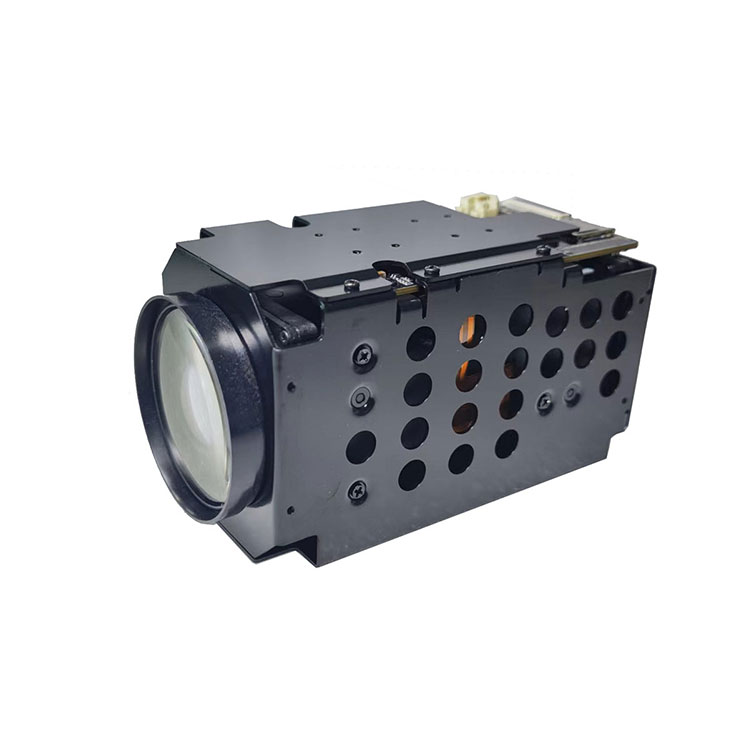
Table of Contents
- Introduction to White Light Cameras
- Technical Specifications
- Applications of White Light Cameras
- Frequently Asked Questions
- Conclusion and Brand Information
1. Introduction to White Light Cameras
White Light Cameras are specialized imaging devices that use broad-spectrum white light to capture high-precision surface details and dimensional measurements. Unlike laser-based systems, white light cameras provide non-contact scanning with enhanced color rendering, making them suitable for diverse applications in quality inspection, scientific research, and industrial automation.
The central purpose of this guide is to provide a thorough understanding of White Light Cameras, including operational principles, key specifications, and practical applications. This resource also addresses common user concerns to assist in selecting and deploying the right camera system for specific requirements.
2. Technical Specifications of White Light Cameras
Understanding the specifications is crucial for evaluating the suitability of a White Light Camera for a given application. Below is a summary of core parameters:
| Parameter | Description |
|---|---|
| Resolution | Up to 5MP or higher, providing detailed surface mapping. |
| Accuracy | ±1 µm to ±10 µm depending on model and setup. |
| Scan Range | 50 mm – 500 mm typical; adaptable with lens options. |
| Frame Rate | Up to 60 fps for real-time inspection applications. |
| Connectivity | USB 3.0, GigE, or proprietary high-speed interfaces. |
| Software Compatibility | Supports measurement, 3D reconstruction, and integration with CAD systems. |
3. Applications of White Light Cameras
White Light Cameras are utilized in numerous industries for precision imaging. Their ability to capture surface profiles without contact makes them highly valuable. Common applications include:
- Industrial quality inspection: Detecting surface defects and dimensional deviations.
- Medical imaging: Assisting in non-invasive diagnostics and 3D anatomical modeling.
- Scientific research: Capturing detailed topography in material science and biology.
- Automation and robotics: Guiding robotic arms using precise 3D measurements.
- Reverse engineering: High-resolution scanning of existing components for CAD modeling.
4. Frequently Asked Questions About White Light Cameras
Q1: How does a White Light Camera differ from a laser scanner?
A1: White Light Cameras use broad-spectrum light to measure surface topology, capturing color and texture as well as geometry. Laser scanners rely on a single wavelength, which may limit color detection but often achieves longer range. White Light Cameras excel in fine-detail, short-range measurement with minimal surface preparation.
Q2: How to choose the right White Light Camera for industrial inspection?
A2: Selection depends on required measurement accuracy, scan range, resolution, and speed. Consider lens options, frame rate, and software compatibility for integration with existing workflows. Accuracy should match the tolerance requirements of the components being inspected, while the resolution ensures surface defects are detectable.
Q3: How is the calibration process performed for a White Light Camera?
A3: Calibration involves using a reference artifact with known dimensions. The camera captures the reference, and software adjusts measurement parameters to eliminate systematic errors. Regular calibration ensures consistent accuracy over time, especially when environmental conditions vary.
5. Conclusion and Brand Information
White Light Cameras represent a reliable solution for high-precision imaging across multiple industries. Their non-contact, high-resolution, and color-sensitive capabilities make them indispensable for quality assurance, scientific measurement, and automation tasks. Jioptik offers advanced White Light Camera solutions tailored to meet professional measurement and imaging needs. For more information and personalized consultation, contact us.