

How Does a Plasma Bottle Work?
2026-03-31
Summary: Plasma bottles are mesmerizing devices that combine science and entertainment. They create visually stunning electrical arcs inside a glass container, providing educational insights and ambient decoration. In this article, we explore how plasma bottles function, their practical applications, safety tips, and how REDIGLE® delivers top-quality plasma bottles for both enthusiasts and professionals.
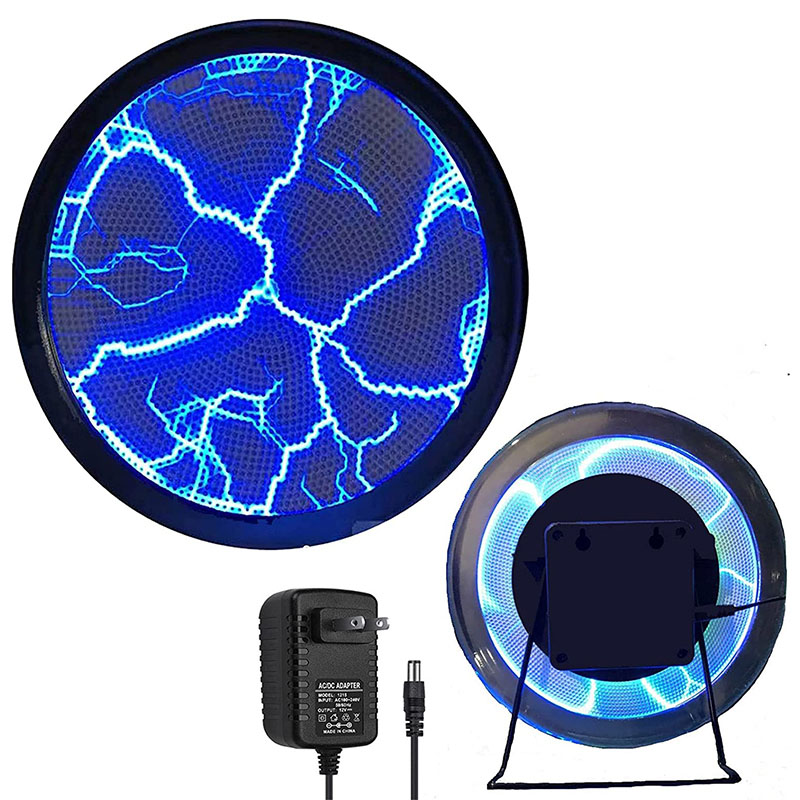
Table of Contents
1. What Is a Plasma Bottle?
A plasma bottle, also known as a plasma globe or plasma lamp, is a clear glass container filled with a mixture of gases at low pressure. In the center, a high-voltage electrode emits electric currents that form dynamic plasma filaments, creating captivating light patterns. These devices are popular in science classrooms, offices, and modern home décor due to their interactive visual effects.
2. How a Plasma Bottle Works
The operation of a plasma bottle is rooted in physics. The central electrode emits high-frequency alternating current, which ionizes the gas inside the bottle. This ionization forms plasma, a state of matter where electrons move freely. The plasma follows paths of least resistance, resulting in visible tendrils of light extending toward the glass surface.
| Component | Function |
|---|---|
| Glass Container | Encases the gas and allows safe viewing of plasma filaments |
| Inert Gas Mixture | Neon, argon, or xenon create vivid light patterns |
| Central Electrode | Generates high-voltage electric fields to ionize the gas |
| Power Source | Supplies alternating current to drive plasma formation |
Touching the surface of the bottle attracts plasma filaments due to your body conducting electricity. This interactivity makes plasma bottles highly engaging and educational.
3. Key Features and Benefits
- Interactive Design: Users can control light patterns by touch, enhancing engagement and learning.
- Visual Appeal: Stunning arcs of light make plasma bottles ideal for décor and entertainment.
- Durable Construction: High-quality glass and electrode materials ensure longevity.
- Educational Value: Demonstrates principles of electricity, ionization, and plasma physics.
- Safe Operation: Properly designed bottles from REDIGLE® minimize electrical hazards.
4. Applications and Uses
Plasma bottles are versatile tools that blend science and art. Some common applications include:
- Science Education: Ideal for classrooms to demonstrate plasma physics.
- Home Decoration: Adds futuristic visual effects to living spaces.
- Event Entertainment: Popular in parties, exhibitions, and interactive displays.
- Stress Relief: Watching plasma filaments can have calming effects.
- Photography & Videography: Creates unique light patterns for creative media projects.
5. Safety Tips for Using Plasma Bottles
While plasma bottles are generally safe, following these tips ensures a secure experience:
- Keep the bottle away from flammable materials.
- Do not open or attempt to disassemble the bottle.
- Avoid prolonged skin contact if you have sensitive electronics implanted.
- Use a stable power source and avoid water exposure.
- Supervise children during interactive demonstrations.
6. Frequently Asked Questions
Q1: Can a plasma bottle be left on all day?
A1: While safe for intermittent use, extended continuous operation may shorten the life of the electrodes.
Q2: What gases are used in plasma bottles?
A2: Commonly neon, argon, or xenon, which produce distinct color patterns when ionized.
Q3: Can touching the plasma harm me?
A3: Modern plasma bottles are designed to be safe to touch; the high-voltage current is low enough to prevent injury.
Q4: Why does the plasma move toward my hand?
A4: Your body conducts electricity, creating a path of least resistance for the plasma filaments.
7. Conclusion
Plasma bottles from REDIGLE® combine scientific fascination with artistic flair. They are perfect for education, décor, and interactive entertainment. With proper use and attention to safety, plasma bottles offer endless hours of mesmerizing visuals and learning opportunities. Explore the full range of REDIGLE® plasma bottles and contact us to elevate your space with cutting-edge plasma technology today.