

How Does a PCAP Touch Screen Module Work in Industrial and Commercial Displays?
2025-12-30
Article Summary
A PCAP Touch Screen Module (Projected Capacitive Touch Screen Module) has become a core human–machine interaction component across industrial equipment, medical devices, commercial terminals, and consumer electronics. This article provides a comprehensive technical explanation of how PCAP touch technology functions, how module parameters affect performance, and how it can be integrated into different display environments.
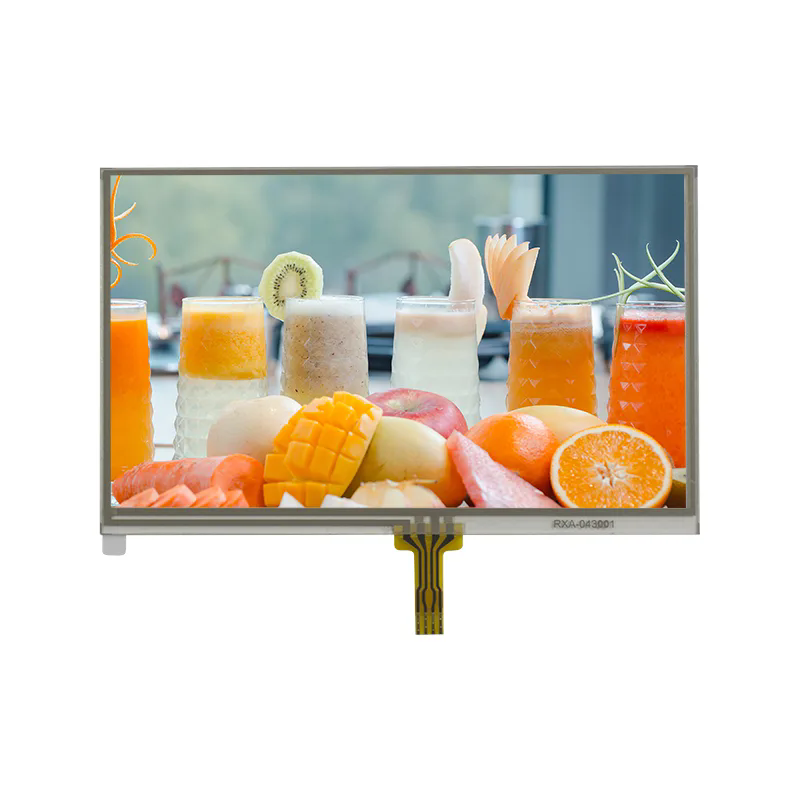
Table of Contents
- How Is a PCAP Touch Screen Module Structured?
- How Do Technical Parameters Define PCAP Touch Performance?
- How Is a PCAP Touch Screen Module Applied Across Industries?
- How Should Common PCAP Touch Screen Questions Be Answered?
Outline
- Overview of PCAP touch technology and working principles
- Key electrical, optical, and mechanical parameters
- Environmental reliability and application compatibility
- Common technical and integration questions with clear answers
How Is a PCAP Touch Screen Module Structured?
A PCAP Touch Screen Module is a multi-layer input system that detects touch events by measuring changes in an electrostatic field. Unlike resistive or infrared technologies, PCAP relies on conductive properties of the human body or compatible stylus materials. The module is typically laminated or bonded onto a display panel such as TFT LCD or OLED to form an integrated interactive interface.
At the structural level, a standard PCAP Touch Screen Module consists of a cover lens, sensor layer, optical adhesive, controller interface, and flexible printed circuit. The cover lens is usually chemically strengthened glass, designed to provide mechanical protection, scratch resistance, and optical clarity. Below this layer lies the transparent conductive sensor, often made from indium tin oxide (ITO), arranged in a matrix of transmitter and receiver electrodes.
When a conductive object approaches or touches the surface, it alters the local capacitance at the intersection of these electrodes. The controller IC continuously scans this matrix and calculates the precise touch coordinates based on capacitance variation. This structure allows multi-touch detection, high positional accuracy, and rapid response times, even under complex environmental conditions.
From an engineering perspective, structural optimization focuses on reducing signal noise, enhancing light transmission, and improving durability. The sensor pattern density, glass thickness, and bonding method directly influence sensitivity and reliability. These factors are particularly important for industrial-grade or outdoor-facing applications where electromagnetic interference, temperature fluctuation, and mechanical stress are present.
How Do Technical Parameters Define PCAP Touch Performance?
The performance of a PCAP Touch Screen Module is primarily determined by a combination of electrical, optical, and mechanical parameters. Understanding these parameters is essential for selecting a module that aligns with the operational requirements of a specific device or system.
| Parameter | Typical Specification Range | Technical Significance |
|---|---|---|
| Touch Technology | Projected Capacitive (PCAP) | Supports multi-touch and gesture recognition |
| Cover Glass Thickness | 0.7 mm – 3.0 mm | Affects durability and touch sensitivity |
| Touch Points | 5 – 10 points | Defines simultaneous touch capability |
| Interface | I2C / USB | Determines system compatibility and latency |
| Operating Temperature | -20°C to +70°C | Ensures stable operation in harsh environments |
| Light Transmittance | ≥ 85% | Maintains display brightness and clarity |
Electrical sensitivity tuning is one of the most critical aspects of PCAP module design. Excessive sensitivity may result in false touches, while insufficient sensitivity can impair usability, especially when gloves or thicker cover glass are involved. Controller firmware calibration plays a key role in balancing responsiveness and noise immunity.
Optical performance is equally important. High transmittance and low reflectivity ensure that the touch layer does not degrade the visual quality of the underlying display. Anti-glare and anti-fingerprint coatings are commonly applied to enhance readability in bright ambient conditions.
Mechanical parameters such as surface hardness, impact resistance, and sealing structure determine long-term reliability. Industrial and medical devices often require higher ingress protection ratings, which influence bonding techniques and material selection within the PCAP Touch Screen Module.
How Is a PCAP Touch Screen Module Applied Across Industries?
PCAP Touch Screen Modules are widely adopted across multiple industries due to their adaptability and consistent performance. In industrial automation, they are integrated into human–machine interfaces (HMIs), control panels, and monitoring terminals where precise input and long service life are essential.
In medical environments, PCAP modules are valued for their smooth surface, ease of cleaning, and support for sealed designs. Touch performance remains stable when configured to work with gloves or specialized medical accessories. The ability to customize sensitivity profiles makes PCAP technology suitable for diagnostic equipment and patient monitoring systems.
Commercial applications include self-service kiosks, point-of-sale systems, and digital signage. In these scenarios, PCAP Touch Screen Modules provide fast response times and intuitive gesture support, enhancing user interaction while maintaining a professional appearance. Durability and resistance to frequent use are critical considerations in these deployments.
Transportation and outdoor systems present additional challenges such as temperature extremes, moisture, and electromagnetic interference. PCAP modules designed for these applications typically incorporate reinforced glass, optimized sensor patterns, and advanced controller algorithms to maintain accuracy under adverse conditions.
How Should Common PCAP Touch Screen Questions Be Answered?
Q: How does a PCAP Touch Screen Module detect multiple touch points accurately?
A: The module uses a grid of transparent electrodes that measure capacitance changes at each intersection. The controller processes simultaneous variations across the grid, enabling precise multi-touch tracking without signal overlap.
Q: How can a PCAP Touch Screen Module function reliably with gloves or thick glass?
A: Sensitivity tuning at both hardware and firmware levels allows the module to detect larger capacitance changes. Optimized sensor patterns and controller algorithms compensate for signal attenuation caused by gloves or thicker cover lenses.
Q: How is electromagnetic interference mitigated in PCAP Touch Screen Modules?
A: Shielding layers, grounding strategies, and noise-filtering algorithms are incorporated into the module design. These measures reduce susceptibility to external electrical noise from industrial equipment or power sources.
Conclusion and Industry Perspective
The PCAP Touch Screen Module represents a mature and highly adaptable touch technology that continues to evolve alongside display and controller advancements. Its ability to balance sensitivity, durability, and optical clarity makes it suitable for a wide range of professional applications. When integrated with high-quality TFT displays, the overall system achieves reliable performance and refined user interaction.
As a display solution provider, TFT focuses on delivering PCAP Touch Screen Modules that align with demanding technical requirements and long-term deployment expectations. Through careful parameter optimization and application-driven design, PCAP technology remains a foundational element in modern interactive display systems.
For detailed specifications, customization options, or technical consultation related to PCAP Touch Screen Modules and TFT display integration, please contact us to discuss project requirements and application scenarios.