

How Does a Metal Indicator Light Improve Equipment Visibility and Operational Safety?
2026-03-11
Article Summary
A metal indicator light is a critical component used in modern industrial equipment, control panels, automation systems, and electrical devices. It provides clear visual feedback regarding the operating status of machines, circuits, and systems. Compared with traditional plastic indicators, metal indicator lights offer enhanced durability, higher protection levels, and improved resistance to vibration, corrosion, and harsh environments.
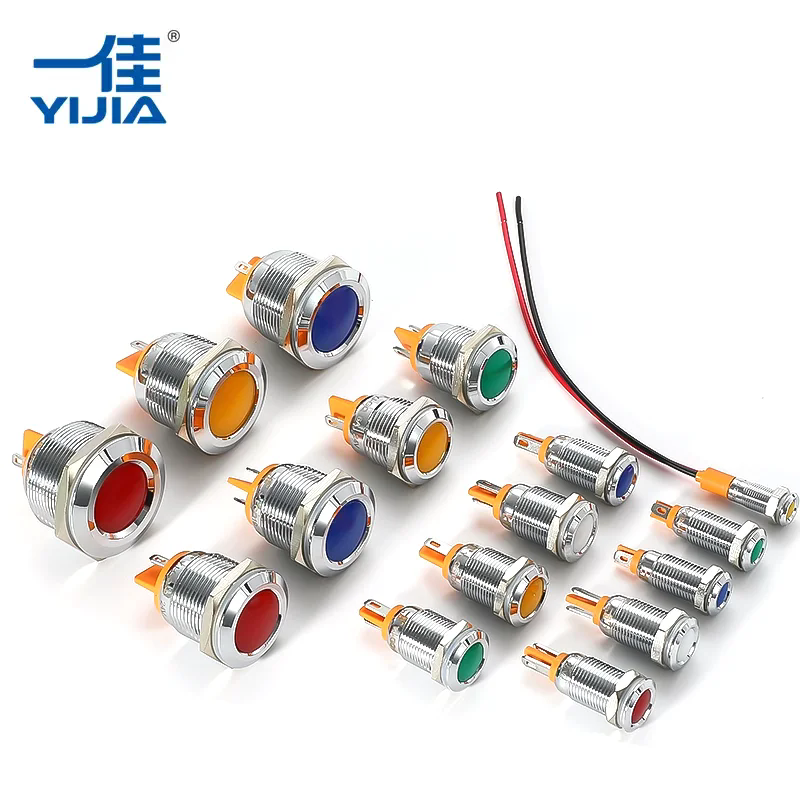
This article explains how a metal indicator light works, why it is widely used in industrial environments, and how to choose the right model for your equipment. It also explores the key components, technical parameters, installation considerations, and common application scenarios. Manufacturers such as YIJIA have developed reliable metal indicator light solutions that meet demanding industrial standards and provide long-term operational stability.
Table of Contents
- Introduction to Metal Indicator Lights
- How Metal Indicator Lights Work
- Main Components of a Metal Indicator Light
- Key Technical Specifications
- Advantages of Metal Indicator Lights
- Typical Industrial Applications
- How to Choose the Right Metal Indicator Light
- Installation and Maintenance Tips
- Frequently Asked Questions
- Conclusion
Introduction to Metal Indicator Lights
In industrial automation and electrical control systems, visual status feedback is essential for safe and efficient operation. One of the most widely used signaling devices is the metal indicator light. These lights are typically installed on equipment panels, machinery control boxes, and electrical cabinets to display system status such as power on, standby mode, fault conditions, or operational activity.
Unlike traditional plastic indicators, metal indicator lights are designed with robust metal housings that provide superior durability and protection. Their rugged construction makes them particularly suitable for demanding environments such as manufacturing plants, outdoor equipment, transportation systems, and heavy machinery.
Companies like YIJIA focus on producing high-quality metal indicator lights that combine reliable performance with modern design. These products are engineered to deliver stable illumination, long service life, and resistance to environmental stress.
How Metal Indicator Lights Work
A metal indicator light functions as a visual signaling device that converts electrical energy into visible light. When an electrical current passes through the internal light source, the indicator illuminates to show the operating status of the connected circuit or equipment.
The operation process can generally be summarized in several steps:
- The electrical circuit supplies voltage to the indicator light.
- The internal LED or lamp activates when current flows through it.
- The lens diffuses and displays the light clearly on the panel surface.
- The metal housing protects internal components from environmental damage.
Modern metal indicator lights often use LED technology because LEDs provide excellent brightness, low power consumption, and long operational life. In many cases, the service life of an LED indicator can exceed 50,000 hours, significantly reducing maintenance costs.
Main Components of a Metal Indicator Light
Understanding the structural design of a metal indicator light helps users evaluate its performance and reliability. Most products contain several essential components.
- Metal Housing – Provides mechanical strength and protection against dust, moisture, and mechanical impact.
- LED Light Source – Generates illumination and determines brightness, color, and energy efficiency.
- Lens or Light Diffuser – Enhances visibility and evenly distributes the emitted light.
- Insulation Layer – Prevents electrical leakage and ensures safe operation.
- Terminal Connections – Allows secure wiring to the electrical circuit.
- Sealing Structure – Improves waterproof and dustproof performance.
High-quality designs, such as those developed by YIJIA, focus on integrating these components in a compact structure that is easy to install and highly resistant to vibration and environmental stress.
Key Technical Specifications
Before selecting a metal indicator light, it is important to understand the typical technical parameters. These specifications help ensure compatibility with your equipment and operating environment.
| Parameter | Description |
|---|---|
| Operating Voltage | Common options include 12V, 24V, 110V, and 220V depending on the application. |
| Mounting Hole Size | Standard sizes include 6mm, 8mm, 10mm, 12mm, 16mm, and 22mm. |
| Light Color | Red, green, blue, yellow, and white for different status indications. |
| Protection Level | Often rated IP65, IP67, or higher for dust and water resistance. |
| Operating Temperature | Usually between -25°C and +85°C depending on the model. |
| Service Life | LED indicators may last over 50,000 hours. |
Advantages of Metal Indicator Lights
Metal indicator lights offer multiple advantages compared with traditional plastic alternatives. These benefits make them ideal for industrial and commercial applications.
- High Durability – Metal housings provide superior resistance to impact and mechanical stress.
- Enhanced Protection – Strong sealing structures protect against dust, water, and oil.
- Long Service Life – LED technology significantly extends operational lifespan.
- Improved Heat Dissipation – Metal materials help dissipate heat efficiently.
- Professional Appearance – Metallic finishes provide a modern and high-quality visual design.
- Reliable Performance – Stable illumination ensures clear system status indication.
These advantages are particularly important in industrial environments where equipment must operate continuously with minimal downtime.
Typical Industrial Applications
Metal indicator lights are used in a wide range of industries due to their durability and clear visual signaling capability.
- Industrial automation equipment
- Electrical control panels
- Machine tools and CNC systems
- Transportation and railway systems
- Medical equipment
- Power distribution cabinets
- Security and monitoring systems
In these environments, indicator lights help operators quickly understand machine status, detect faults, and maintain safe operations.
How to Choose the Right Metal Indicator Light
Selecting the appropriate metal indicator light requires careful consideration of several technical and environmental factors.
- Voltage Compatibility – Ensure the indicator matches your system voltage.
- Mounting Size – Verify the panel hole size required for installation.
- Environmental Conditions – Choose high protection ratings for outdoor or harsh environments.
- Light Color Function – Assign colors based on operational meaning such as power, warning, or fault.
- Brightness Level – Ensure the light is visible under strong ambient lighting.
- Quality of Materials – Durable metal construction increases product reliability.
Reliable manufacturers like YIJIA offer a wide range of metal indicator light options that can be customized to meet different equipment requirements.
Installation and Maintenance Tips
Proper installation ensures stable performance and prevents operational issues.
- Confirm correct wiring polarity before powering the indicator.
- Use appropriate mounting torque to avoid damaging the housing.
- Ensure sealing rings are properly installed to maintain waterproof protection.
- Inspect wiring connections regularly for looseness or corrosion.
- Clean the lens periodically to maintain clear visibility.
Following these simple maintenance practices can significantly extend the lifespan of the indicator light and maintain reliable system feedback.
Frequently Asked Questions
What is the difference between metal and plastic indicator lights?
Metal indicator lights are more durable and resistant to harsh environments. They provide better protection against impact, vibration, dust, and moisture compared with plastic models.
Can metal indicator lights be used outdoors?
Yes. Many metal indicator lights are designed with high protection ratings such as IP65 or IP67, making them suitable for outdoor applications and demanding industrial environments.
How long does a metal LED indicator light typically last?
LED-based metal indicator lights typically have a lifespan of more than 50,000 hours, depending on operating conditions and product quality.
Which color should be used for different machine states?
Green is commonly used for normal operation, red for fault or emergency status, and yellow for warnings or standby modes. The exact color scheme may vary depending on industry standards.
Conclusion
Metal indicator lights play a crucial role in modern equipment by providing clear visual communication between machines and operators. Their robust construction, long service life, and reliable performance make them ideal for industrial environments where safety and operational clarity are essential.
With continuous improvements in LED technology and sealing design, metal indicator lights have become a preferred solution for automation systems, control panels, and electrical equipment worldwide. Manufacturers such as YIJIA focus on developing high-quality products that combine durability, efficiency, and professional design.
If you are searching for reliable metal indicator light solutions for your equipment or industrial project, the YIJIA team is ready to assist. Contact us today to learn more about product options, technical support, and customized solutions tailored to your application needs.