

How Does a Durable Potentiometer Improve Precision and Reliability in Electronic Systems?
2026-03-11
Article Summary
A durable potentiometer plays a critical role in modern electronic systems where precise resistance control and long operational life are required. From industrial automation to consumer electronics, these adjustable resistors allow engineers to regulate voltage, adjust signal levels, and fine-tune circuit performance. However, many users face issues such as unstable resistance, mechanical wear, or signal drift when low-quality potentiometers are used.
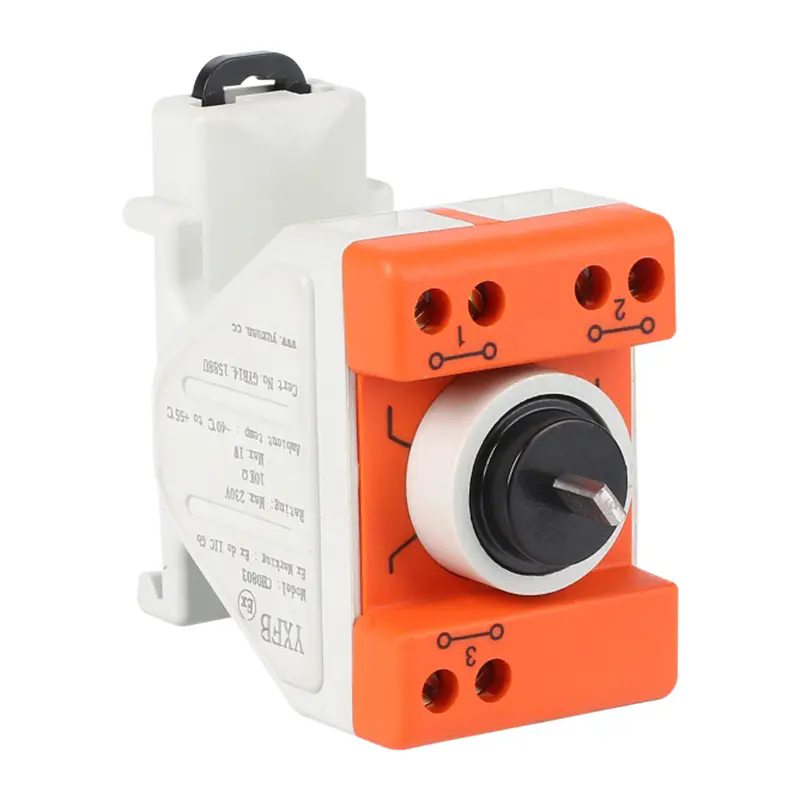
This article explains how a durable potentiometer works, what design factors improve its longevity, and how businesses can choose reliable components for demanding applications. Key features, structural elements, practical benefits, and selection guidelines are discussed in detail to help engineers and buyers make informed decisions.
Table of Contents
- 1. Understanding the Role of a Durable Potentiometer
- 2. Basic Working Principle of a Potentiometer
- 3. Structural Components of a Durable Potentiometer
- 4. Key Features That Improve Durability
- 5. Typical Technical Parameters
- 6. Common Applications in Modern Industries
- 7. How to Choose the Right Durable Potentiometer
- 8. Maintenance Tips for Long-Term Performance
- 9. Frequently Asked Questions
- 10. Conclusion
1. Understanding the Role of a Durable Potentiometer
A potentiometer is a variable resistor used to control electrical resistance within a circuit. By adjusting the position of a movable contact, users can change the resistance value and regulate current or voltage levels.
In many applications, standard potentiometers may wear out quickly due to constant adjustment, vibration, temperature fluctuations, or environmental exposure. A durable potentiometer is designed specifically to withstand these conditions while maintaining accurate and stable resistance control.
High-quality durable potentiometers are widely used in:
- Industrial automation equipment
- Audio control systems
- Precision instrumentation
- Robotics and motion control
- Consumer electronics
- Automotive electronics
Because these devices directly influence circuit performance, reliability and mechanical stability are essential characteristics.
2. Basic Working Principle of a Potentiometer
The operation of a potentiometer is based on the principle of variable resistance. It typically consists of a resistive track and a movable wiper that slides across the surface. As the user rotates the shaft or moves the slider, the wiper changes its position along the resistive element.
This movement alters the resistance between terminals, allowing the device to control voltage distribution in a circuit.
The fundamental process includes:
- An electrical signal enters the resistive track.
- The wiper contacts a specific point on the resistive element.
- The resistance between terminals changes according to the wiper position.
- The output voltage is adjusted proportionally.
In precision systems, smooth contact movement and stable resistance materials are essential for maintaining signal accuracy.
3. Structural Components of a Durable Potentiometer
Durability in potentiometers largely depends on internal construction and material selection. A high-quality unit typically contains the following components:
- Resistive Element – usually made from conductive plastic, cermet, or wire-wound materials.
- Wiper Contact – a conductive metal arm that moves along the resistive track.
- Rotary Shaft or Slider – the mechanical interface used to adjust resistance.
- Housing – protects internal components from dust, moisture, and mechanical damage.
- Terminals – connection points that integrate the potentiometer into a circuit.
Advanced manufacturing techniques ensure smooth contact between the wiper and resistive element, minimizing electrical noise and mechanical wear.
4. Key Features That Improve Durability
A durable potentiometer differs from standard versions in several structural and material improvements. These design features help extend the service life and improve performance stability.
- High-Quality Resistive Materials – conductive plastic or cermet tracks offer greater wear resistance.
- Enhanced Mechanical Strength – reinforced shafts and bearings withstand frequent adjustments.
- Sealed Housing – prevents contamination from dust, moisture, and chemicals.
- Stable Contact Pressure – ensures consistent electrical contact between the wiper and track.
- High Cycle Life – capable of tens of thousands to millions of adjustment cycles.
Manufacturers such as YXFB focus on optimizing these aspects to produce potentiometers suitable for demanding environments and long-term use.
5. Typical Technical Parameters
When evaluating a durable potentiometer, several technical specifications must be considered to ensure compatibility with the intended application.
| Parameter | Description |
|---|---|
| Resistance Range | Common values include 1KΩ, 5KΩ, 10KΩ, 50KΩ, and 100KΩ |
| Resistance Tolerance | Usually ±10% to ±20% |
| Power Rating | Defines the maximum power the potentiometer can safely handle |
| Rotation Angle | Typical range from 260° to 300° |
| Operating Temperature | Often between -40°C and +125°C |
| Mechanical Life | Up to hundreds of thousands of cycles depending on design |
These parameters help engineers determine whether a potentiometer can handle electrical loads, environmental conditions, and mechanical usage requirements.
6. Common Applications in Modern Industries
Durable potentiometers are used across a wide range of industries where accurate resistance control is essential.
Industrial Automation
Used in motor speed control, equipment calibration, and control panels for adjusting machine parameters.
Audio Equipment
Commonly found in amplifiers and mixers for volume and tone adjustment.
Automotive Systems
Used in position sensing and electronic control modules.
Medical Equipment
Helps adjust signal levels in diagnostic instruments and monitoring devices.
Because these applications demand high reliability, durable potentiometers are preferred over standard components.
7. How to Choose the Right Durable Potentiometer
Selecting the correct potentiometer requires careful consideration of several practical factors.
- Determine the required resistance range based on circuit design.
- Check power rating to prevent overheating or failure.
- Evaluate environmental conditions such as temperature, vibration, or humidity.
- Choose appropriate mounting style including panel mount or PCB mount.
- Confirm mechanical life cycle if frequent adjustments are expected.
Working with experienced manufacturers like YXFB ensures consistent product quality and technical support when selecting potentiometers for complex systems.
8. Maintenance Tips for Long-Term Performance
Although durable potentiometers are designed for long service life, proper maintenance can further extend their reliability.
- Avoid excessive mechanical force during adjustment.
- Protect the device from dust and corrosive environments.
- Ensure stable mounting to reduce vibration damage.
- Periodically inspect electrical connections.
- Replace worn components in high-usage systems.
Following these simple practices can significantly reduce operational failures and maintain accurate resistance control.
9. Frequently Asked Questions
Q1: What makes a potentiometer “durable” compared to standard models?
Durable potentiometers use stronger materials, improved contact structures, and protective housings. These features reduce wear, electrical noise, and mechanical failure during long-term operation.
Q2: Can durable potentiometers operate in harsh environments?
Yes. Many models are designed to resist dust, vibration, and temperature fluctuations, making them suitable for industrial and automotive applications.
Q3: How long does a durable potentiometer typically last?
Depending on design and usage conditions, mechanical life can range from tens of thousands to several hundred thousand adjustment cycles.
Q4: Are durable potentiometers suitable for precision electronics?
Yes. High-quality designs provide stable resistance values and smooth adjustment, which are essential for precision electronic circuits.
10. Conclusion
A durable potentiometer is an essential component for electronic systems that require precise resistance control and reliable long-term performance. By combining high-quality resistive materials, robust mechanical design, and protective construction, these devices deliver consistent operation even in demanding environments.
When selecting potentiometers for industrial or commercial applications, reliability, electrical performance, and structural durability should always be considered. Trusted manufacturers such as YXFB continue to develop advanced potentiometer solutions that meet the evolving needs of modern electronic equipment.
If you are looking for high-quality durable potentiometers or need professional assistance selecting the right solution for your project, contact us today. The YXFB team is ready to provide detailed product information, technical guidance, and customized support for your application requirements.