

Summary: In industries where color consistency is critical, such as textiles, plastics, paints, and printing, the Color Light Cabinet has become a foundational tool for visual evaluation. This article explains common pain points associated with manual visual checks, details how a Color Light Cabinet addresses these challenges, outlines best practices for selection and use, and provides practical examples of improved outcomes. Whether you are new to quality inspection or looking to refine your process, this guide will clarify how controlled lighting conditions lead to stronger decision-making and reduced errors.
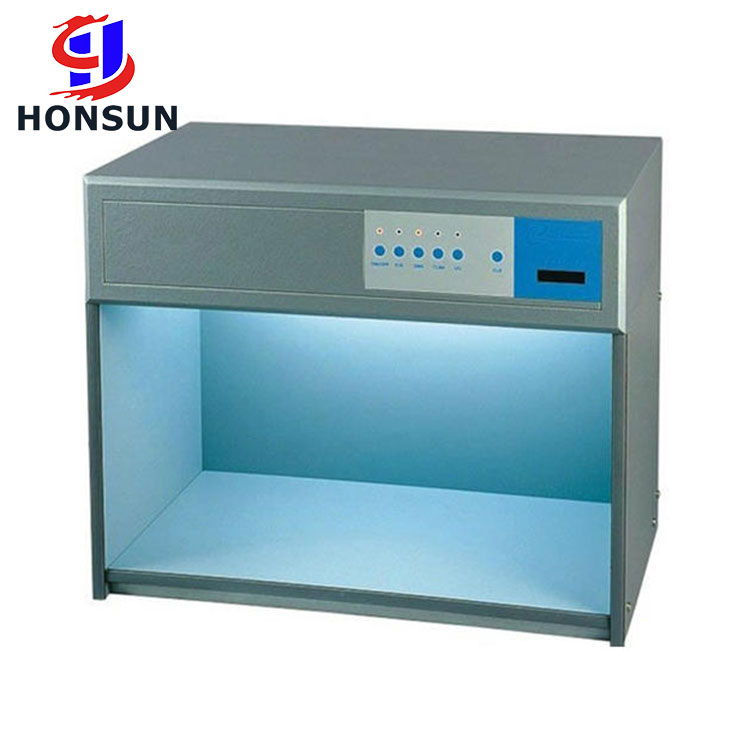
Table of Contents
- Common Challenges in Visual Color Inspection
- How a Color Light Cabinet Solves Inspection Issues
- Key Features and Technical Considerations
- How to Select the Right Model
- Typical Comparison Table
- Frequently Asked Questions
- Conclusion and Contact
Common Challenges in Visual Color Inspection
Without a standardized lighting environment, color evaluation can vary significantly from person to person and place to place. Below are some of the typical issues quality teams face:
- Inconsistent Lighting Conditions: Evaluation performed under ambient or uncontrolled lighting leads to inconsistent results.
- Subjective Judgments: Different inspectors may perceive the same color differently depending on angle, time of day, or light source.
- Customer Complaints: Products approved internally that appear off-color to customers can lead to returns, rework, or reputational risk.
- Inefficient Processes: Time lost due to repeated checks or disputes over color differences.
These challenges undermine confidence in quality decisions and drive up operational costs.
How a Color Light Cabinet Solves Inspection Issues
A Color Light Cabinet creates a controlled visual environment by simulating standard light sources so that color evaluations are consistent and objective. The key benefits include:
- Standardized Lighting: Multiple built-in light sources simulate different conditions such as daylight, fluorescent, or LED lighting.
- Repeatable Conditions: Inspectors view samples under the same parameters every time, reducing variability.
- Reduced Subjectivity: Standardized evaluation criteria help teams make more aligned decisions.
- Faster Defect Detection: Differences in shade, hue, or brightness become more obvious, accelerating decision-making.
The cumulative impact of these benefits is a more reliable quality inspection process with fewer disputes and higher customer satisfaction.
Key Features and Technical Considerations
When integrating a Color Light Cabinet into your quality inspection process, understanding essential features ensures you get a solution that meets your needs.
- Multiple Light Sources: Cabinets typically provide different lighting conditions (D65, TL84, UV, etc.) to mimic retail, daylight, or incandescent environments.
- Size and Viewing Area: Choose a cabinet size that accommodates your largest sample dimensions.
- Energy Efficiency: LED lighting options consume less power and generate less heat.
- Durability and Build Quality: High-quality materials extend the life of the cabinet and maintain consistent performance.
- Ease of Use: Simple controls for light selection and ergonomic access to the viewing area enhance operator productivity.
How to Select the Right Model
Making a selection depends on several factors. The following checklist will help you assess your needs:
- Industry Requirements: Different industries have distinct standards and may require specific lighting simulations.
- Volume of Inspections: Higher throughput settings benefit from larger cabinets or multiple units.
- Budget and Total Cost of Ownership: Consider initial cost, energy consumption, and maintenance.
- Compliance Needs: Compliance with international standards (such as ISO-related visual assessment criteria) can guide selection.
By aligning the model characteristics with your operational context, you ensure that your investment delivers measurable results.
Typical Comparison Table
| Feature | Basic Model | Standard Model | Advanced Model |
|---|---|---|---|
| Lighting Types | 2 Standard Light Sources | 4 Light Sources + UV | 6 Light Sources + UV + Custom Modes |
| Viewing Area | Small | Medium | Large |
| Energy Consumption | Low | Moderate | Moderate with Efficient LED |
| Price Range | Entry | Mid | Premium |
| Best Use Case | Small shops / Occasional checks | Production QA | High-volume, Multi-condition Evaluation |
Frequently Asked Questions
A Color Light Cabinet provides controlled lighting conditions to evaluate color consistency and differences in materials or products before approval or shipment.
Typically, daylight simulators like D65 are essential, but many cabinets also include fluorescent, LED, and UV options to cover varied real-world environments.
Calibration frequency depends on usage intensity and manufacturer recommendations, but at minimum it should be verified periodically to maintain accuracy.
Yes, but organizations should define a standard procedure so that all inspectors operate under the same evaluation criteria to ensure consistency.
Conclusion and Contact
Implementing a Color Light Cabinet establishes a reliable foundation for visual color inspection and reduces errors caused by uncontrolled lighting and subjective judgment. Whether you operate in textiles, packaging, coatings, plastics, or other sectors where color matters, careful selection and structured processes yield demonstrable benefits in quality control outcomes.
At Hongshun, we provide Color Light Cabinets designed to meet diverse inspection needs with consistent performance and durability. To explore the options that best fit your quality process and to enhance how your team reviews color, contact us for personalized support and a tailored proposal.