

How Does a Backlight Module Light Guide Plate Improve Display Brightness and Uniformity?
2026-03-09
Article Summary
Modern LCD displays rely on highly precise optical components to produce clear and evenly distributed light. One of the most critical parts of this system is the Backlight Module Light Guide Plate. It plays a key role in distributing LED light evenly across the screen while maintaining energy efficiency and slim device designs.
This article explains how light guide plates function inside backlight modules, why they are essential for display performance, and what factors manufacturers consider when designing high-quality plates. It also explores common buyer concerns such as brightness uniformity, energy consumption, durability, and customization options.
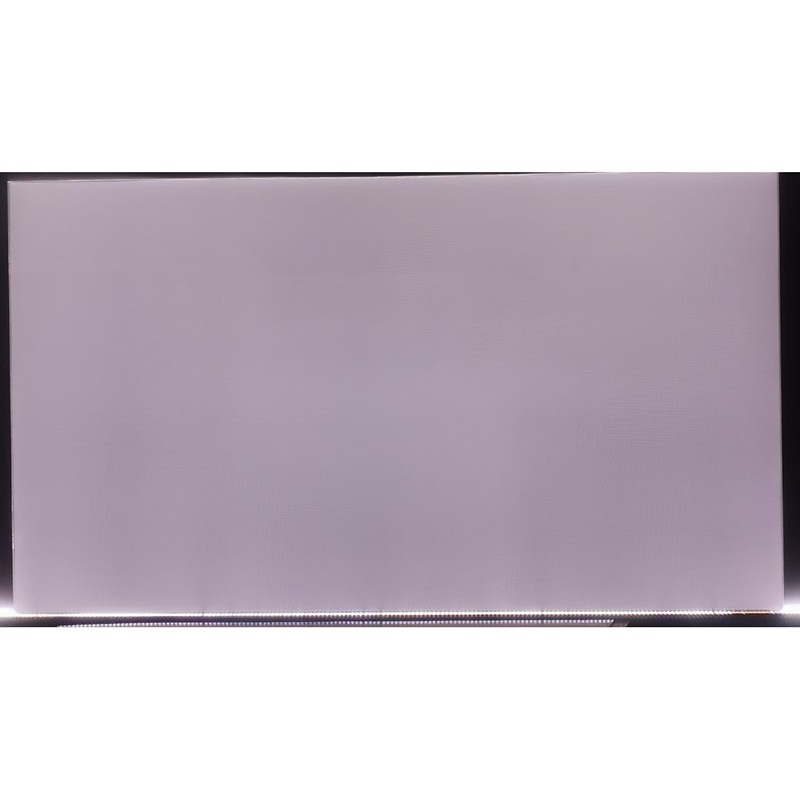
Table of Contents
- Introduction to Backlight Module Light Guide Plates
- How Light Guide Plates Work in Display Systems
- Main Structural Components of a Backlight Module
- Key Benefits of Using Light Guide Plates
- Technical Specifications and Product Parameters
- Factors That Affect Light Guide Plate Performance
- Applications Across Different Industries
- How to Choose the Right Light Guide Plate Supplier
- Frequently Asked Questions
- Conclusion
Introduction to Backlight Module Light Guide Plates
Liquid crystal displays (LCDs) cannot produce light independently. Instead, they rely on an external light source known as the backlight system. Within this system, the Backlight Module Light Guide Plate acts as the optical core that spreads light from LEDs across the entire display surface.
Without a properly designed light guide plate, displays would suffer from uneven brightness, dark spots, or excessive power consumption. Manufacturers carefully engineer these plates using optical-grade materials and micro-pattern technology to ensure consistent light diffusion.
Companies such as Jinmingwei focus on developing high-performance light guide plate solutions for modern display modules, enabling thinner screens, improved energy efficiency, and stable optical performance.
How Light Guide Plates Work in Display Systems
A light guide plate functions as an optical medium that redirects light from LEDs located at the edges of the display panel. The plate is typically made from transparent materials such as PMMA or optical-grade acrylic.
When LED light enters the plate, it travels internally through total internal reflection. Carefully designed micro-patterns or diffusion dots on the plate’s surface then scatter the light upward toward the LCD panel.
The process involves several stages:
- LED light is injected into the edge of the plate
- Light travels across the plate through internal reflection
- Microstructures scatter light evenly across the surface
- Diffuser sheets further smooth brightness distribution
- The LCD panel receives uniform backlighting
This optical design ensures the display appears bright, uniform, and visually comfortable for users.
Main Structural Components of a Backlight Module
A typical LCD backlight module consists of several integrated layers that work together with the light guide plate.
| Component | Function |
|---|---|
| LED Light Source | Provides the primary illumination for the display |
| Light Guide Plate | Distributes LED light evenly across the screen area |
| Diffuser Sheet | Softens and spreads light to eliminate hot spots |
| Reflector Sheet | Reflects stray light back into the system to improve efficiency |
| Prism Film | Enhances brightness by directing light forward |
Among these components, the light guide plate is the element responsible for converting point light sources into uniform surface illumination.
Key Benefits of Using Light Guide Plates
A high-quality Backlight Module Light Guide Plate offers multiple advantages for display manufacturers and device designers.
-
Uniform Illumination
Ensures consistent brightness across the entire display surface. -
Energy Efficiency
Optimized optical structures reduce the number of LEDs required. -
Ultra-Thin Design
Allows manufacturers to produce slimmer televisions, monitors, and mobile devices. -
Improved Visual Comfort
Even lighting reduces eye strain and improves viewing quality. -
Cost Efficiency
Efficient light distribution lowers overall system costs.
These advantages make light guide plates essential for modern electronics where compact design and visual quality are critical.
Technical Specifications and Product Parameters
When selecting a light guide plate for a display module, engineers evaluate multiple technical parameters.
| Parameter | Description |
|---|---|
| Material | Optical PMMA or acrylic |
| Thickness Range | Typically 0.4 mm – 6 mm |
| Light Transmittance | Over 92% |
| Processing Technology | Laser engraving, printing, or injection molding |
| Light Source Compatibility | Edge-lit LED systems |
| Customization | Available in multiple sizes and optical patterns |
Manufacturers like Jinmingwei provide customized light guide plate designs to match specific screen sizes, brightness requirements, and device structures.
Factors That Affect Light Guide Plate Performance
Several design and manufacturing factors influence how effectively a light guide plate distributes light.
-
Material Quality
Optical-grade PMMA ensures high transparency and minimal light loss. -
Micro Pattern Design
Dot density and pattern distribution determine brightness uniformity. -
Manufacturing Precision
Laser engraving and printing accuracy affect optical performance. -
LED Placement
Proper alignment ensures efficient light injection. -
Optical Film Integration
Diffusers and prism sheets enhance brightness control.
Careful optimization of these parameters ensures stable performance across various display sizes.
Applications Across Different Industries
Light guide plates are widely used in a variety of modern electronic products.
- LCD televisions
- Computer monitors
- Laptop displays
- Tablet screens
- Automotive dashboard displays
- Medical imaging monitors
- Industrial control panels
- Advertising light boxes
As display technology continues evolving, demand for high-quality backlight modules continues to grow across multiple industries.
How to Choose the Right Light Guide Plate Supplier
Selecting the right supplier is crucial for ensuring display performance and product reliability.
Buyers should consider several factors before making a purchasing decision.
- Experience in optical component manufacturing
- Ability to provide customized designs
- Stable production capacity
- Quality inspection and testing standards
- Technical support and engineering consultation
Manufacturers like Jinmingwei provide comprehensive development services, helping customers design optimized backlight module light guide plates for different display applications.
Frequently Asked Questions
Q1: What material is commonly used for light guide plates?
Most light guide plates are made from PMMA (polymethyl methacrylate) because it offers high transparency, durability, and excellent optical performance.
Q2: What is the difference between edge-lit and direct-lit backlight systems?
Edge-lit systems place LEDs along the edges of the display and rely on a light guide plate to distribute light. Direct-lit systems place LEDs behind the panel without using a guide plate but usually require thicker designs.
Q3: Can light guide plates be customized for different display sizes?
Yes. Manufacturers can customize the thickness, micro-pattern design, and dimensions of light guide plates to match specific device requirements.
Q4: Why is brightness uniformity important in displays?
Uniform brightness ensures better image quality and prevents visual discomfort caused by uneven lighting or dark spots on the screen.
Conclusion
The Backlight Module Light Guide Plate is a fundamental component in modern LCD display technology. By efficiently distributing light from LED sources, it enables ultra-thin device designs, improved brightness uniformity, and enhanced energy efficiency.
With growing demand for high-quality displays across industries, reliable optical component manufacturing becomes increasingly important. Jinmingwei continues to provide advanced light guide plate solutions designed to meet diverse application requirements and strict quality standards.
If you are looking for professional manufacturing support or customized solutions for backlight module light guide plates, contact us today to learn how our team can help optimize your display system and improve product performance.