

How Does a Backlight Display Module Enhance Device Visibility and Performance?
2026-03-24
Article Summary
Backlight display modules are essential components in modern electronic devices, providing clear and vibrant screen visibility under various lighting conditions. This article explains how these modules work, their types, key technical parameters, and how to select the right module for different applications. It also addresses common challenges such as brightness control, power efficiency, and durability, helping manufacturers and engineers make informed decisions.
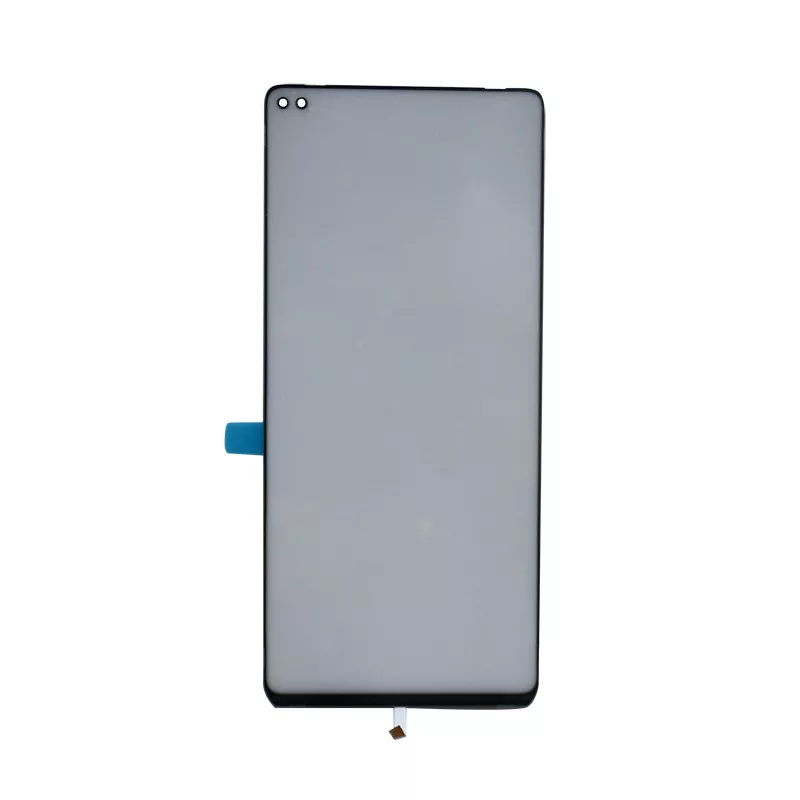
Table of Contents
- 1. What Is a Backlight Display Module?
- 2. How Do Backlight Display Modules Work?
- 3. Benefits of Using Backlight Display Modules
- 4. Key Features and Technical Parameters
- 5. Types of Backlight Display Modules
- 6. How to Choose the Right Backlight Display Module
- 7. Installation and Maintenance Tips
- 8. Frequently Asked Questions
- 9. Conclusion
1. What Is a Backlight Display Module?
A backlight display module is an electronic component that illuminates the display panel of devices such as smartphones, tablets, monitors, and industrial screens. By providing uniform lighting behind the display, these modules enhance visibility, contrast, and readability even in bright ambient conditions.
They are widely used in consumer electronics, medical equipment, automotive dashboards, and industrial instruments, making them a critical part of modern visual interfaces.
2. How Do Backlight Display Modules Work?
Backlight display modules operate by emitting light behind or around a display panel, usually an LCD or OLED screen. The light is guided through a light guide plate and diffusers to provide even illumination.
- LEDs or electroluminescent panels serve as the light source
- Light guide plates direct illumination evenly across the display surface
- Diffuser films prevent hotspots and provide uniform brightness
- Brightness can be controlled by dimming circuits for energy efficiency
Advanced modules may also include dynamic backlighting for enhanced contrast and power-saving features.
3. Benefits of Using Backlight Display Modules
Incorporating a high-quality backlight display module provides several advantages for devices and end-users:
- Improved Visibility: Ensures screen readability in bright environments
- Enhanced Image Quality: Increases contrast, color uniformity, and clarity
- Energy Efficiency: Optimized LED backlights reduce power consumption
- Extended Device Life: High-quality materials reduce wear and overheating
- Design Flexibility: Enables thinner, lightweight display panels
4. Key Features and Technical Parameters
| Parameter | Description |
| Brightness | Measured in nits; typical range 200–1000 nits for standard devices |
| Color Temperature | Kelvin scale; defines the warmth or coolness of the light |
| LED Lifetime | Typically 30,000–50,000 hours of continuous operation |
| Power Consumption | Low-power design reduces overall device energy use |
| Thickness | Varies according to design; ultra-thin modules <2mm for compact devices |
| Uniformity | Percentage of light evenly distributed across the display surface |
| Interface | Compatible with LCD, OLED, TFT, and other display types |
Modules from Honflex are designed to meet strict quality and durability standards, ensuring reliable performance in industrial and consumer applications.
5. Types of Backlight Display Modules
Backlight display modules vary depending on the light source and design, which affects brightness, energy efficiency, and thickness.
- LED Edge-Lit Modules: LEDs placed at the edges of the display for uniform illumination
- LED Direct-Lit Modules: LEDs distributed directly behind the screen for higher brightness
- Electroluminescent (EL) Modules: Thin, flexible, and suitable for compact devices
- OLED Modules: Self-illuminating pixels reduce need for separate backlight
6. How to Choose the Right Backlight Display Module
Selecting the appropriate backlight module requires careful consideration of application requirements:
- Device Type: Industrial, consumer, automotive, or medical
- Brightness and Uniformity: Ensure readability under ambient lighting
- Energy Efficiency: Optimize LED configuration to reduce power usage
- Durability: Consider LED lifetime, thermal management, and material quality
- Size and Thickness: Match the module dimensions with device design
Working with a reliable manufacturer such as Honflex ensures high-quality modules with consistent performance.
7. Installation and Maintenance Tips
Proper installation and routine maintenance are essential for maintaining performance and longevity:
- Follow manufacturer instructions for electrical connections
- Avoid exposure to high humidity or extreme temperatures
- Clean diffuser surfaces carefully with non-abrasive materials
- Check for uniformity and brightness periodically
- Replace worn or damaged modules promptly to maintain display quality
8. Frequently Asked Questions
Q1: Can I use any LED backlight for my display?
Not all LEDs are compatible. The module must match voltage, size, and interface requirements of the display panel.
Q2: How long do backlight display modules last?
Most high-quality modules provide 30,000–50,000 hours of use, depending on operating conditions and thermal management.
Q3: How do I improve energy efficiency?
Select modules with optimized LED layouts, use dimming circuits, and reduce unnecessary brightness during low-light usage.
Q4: Can backlight modules affect color accuracy?
Yes. Poor uniformity or low-quality LEDs may reduce color fidelity. Choosing high-quality modules ensures consistent color and brightness.
9. Conclusion
Backlight display modules play a vital role in device performance, offering enhanced visibility, improved contrast, and energy efficiency. Choosing the right module ensures optimal device operation and user satisfaction.
Honflex provides a comprehensive range of high-quality backlight display modules suitable for industrial, consumer, and specialized applications, delivering reliability and long-term performance.
For more information or to find the perfect backlight solution for your devices, contact us today to explore our products and professional support.