

How Do LED Strip Lights and Bars Transform Lighting Efficiency, Versatility?
2025-12-09
LED strip lights and bars have rapidly become a core lighting solution across residential, commercial, industrial, and architectural applications. Known for their flexibility, low energy consumption, and long service life, these lighting products support creative illumination designs while offering quantifiable performance advantages.
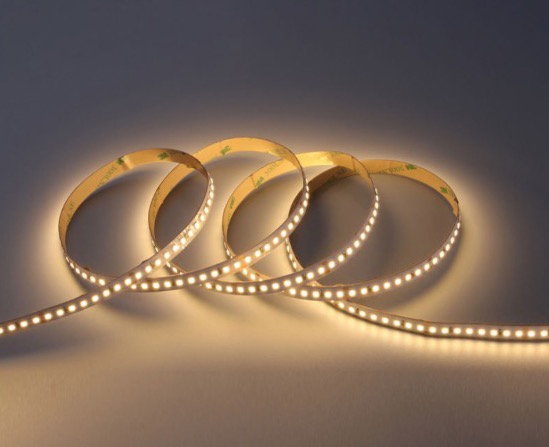
Comprehensive Introduction and Key Specifications
LED strip lights and LED bars are linear lighting systems that use surface-mounted light-emitting diodes (SMD LEDs) installed on flexible (strips) or rigid (bars) substrates. They are engineered to deliver uniform brightness, customizable lengths, and broad application adaptability. These products are commonly used for accent lighting, task lighting, backlighting, automotive illumination, signage, and large-scale architectural effects.
Their rising popularity is driven by benefits such as high luminous efficacy, low heat generation, and ease of installation. As lighting demands evolve toward smart control, sustainability, and aesthetic integration, LED strip lights and bars continue to lead the market.
Key Technical Parameters Overview
Below is a consolidated table highlighting typical and advanced specifications offered by high-quality LED strip lights and bars:
| Parameter Category | Specification Details |
|---|---|
| LED Type | SMD 2835 / 3528 / 5050 / 5630 / COB continuous LEDs |
| Voltage | 5V / 12V / 24V / 48V DC |
| Power Consumption | 4.8W–24W per meter (strip); 8W–40W per piece (bar) |
| Brightness Range | 300–2200+ lumens per meter |
| Color Temperature | 2700K–6500K (white); RGB / RGBW / RGBCCT optional |
| CRI (Color Rendering Index) | ≥80, ≥90, optional high-CRI versions |
| Beam Angle | 120° standard (strip), 30°–120° optional (bars) |
| Waterproof Rating | IP20 / IP44 / IP65 / IP67 / IP68 |
| Cutting Interval | 25mm–100mm depending on LED chip type |
| PCB Material | Double-layer copper, enhanced heat dissipation |
| Dimming Compatibility | PWM dimming, Triac, 0–10V, DALI, smart app/Bluetooth/WiFi |
| Lifespan | 30,000–50,000+ hours |
These parameters set the foundation for understanding how LED strip lights and bars meet various performance needs and enable creative lighting solutions in both indoor and outdoor environments.
How Do LED Strip Lights and Bars Improve Versatility and Functional Performance?
LED strip lights and bars are engineered to serve multiple lighting roles through their adaptable form factor, controllability, and installation flexibility. The following areas illustrate how these products enhance modern lighting design.
Flexible Design Integration
-
LED strip lights offer bendable, cuttable, and extendable lighting that conforms to corners, irregular surfaces, recessed channels, and tight spaces.
-
LED bars provide stable rigidity, making them ideal for straight-line illumination with consistent brightness.
Both formats support architectural lines, decorative accents, and hidden lighting effects that elevate the overall design output.
Energy Efficiency and Low Heat Output
By converting most electrical energy to light rather than heat, LED strips and bars significantly reduce energy consumption. Their efficiency surpasses traditional fluorescent or halogen solutions, making them suitable for long-hour operation. They also minimize thermal stress, ensuring safe installation on furniture, ceilings, or under cabinets.
Superior Illumination Control
Advanced controllers allow adjustments in brightness, color temperature, RGB color mixing, and dynamic effects. This supports applications such as:
-
Mood lighting
-
Smart home integration
-
Retail display enhancement
-
Task-focused illumination
-
Animated architectural lighting
The ability to control lighting output increases functionality and visual appeal.
Durability and Long-Term Reliability
High-quality LED strips and bars use copper PCBs, silicone encapsulation, and robust LED chips that resist oxidation, moisture, and vibration. This makes them suitable for environments such as outdoor pathways, vehicles, signage, and industrial equipment.
How Do LED Strip Lights Compare to LED Bars in Different Applications?
Both LED strips and bars serve distinct purposes, and understanding their differences helps select the correct product for specific projects.
LED Strip Lights: Best for Flexibility and Aesthetic Effects
Advantages
-
Highly flexible for curves and corners
-
Ideal for accent lighting and hidden installations
-
Multiple color and brightness options
-
Lightweight and easy to cut or extend
-
Suitable for indirect lighting, under-cabinet lights, ceiling coves, and furniture highlights
Ideal Uses
-
Residential rooms
-
Retail shelves
-
Decorative edges
-
Sign lettering
-
Backlighting and mood lighting
LED Light Bars: Best for Strength and Linear Uniformity
Advantages
-
Rigid structure ensures perfectly straight lighting lines
-
High brightness and stable illumination
-
Better heat dissipation for long-term use
-
Suitable for environments requiring stronger or direct light
Ideal Uses
-
Industrial equipment
-
Commercial displays
-
Automotive lighting
-
Outdoor road/path lights
-
Linear architectural beams
Which Option Fits Better?
-
Use LED strips where flexibility and concealed design matter.
-
Use LED bars where durability, straight lines, or higher brightness intensity are required.
How Will LED Strip Lights and Bars Shape Future Lighting Trends?
The evolution of lighting technology points toward enhanced control, sustainability, customization, and integration with digital ecosystems. LED strips and bars are positioned at the center of these changes.
Smart Integration and Automated Control
The upcoming trend focuses on seamless integration with systems such as:
-
Voice control
-
Cloud-based lighting management
-
Ambient-adaptive sensors
-
App-programmable scenes
This allows dynamic lighting intelligence for homes, offices, hotels, and commercial spaces.
Human-Centric Lighting (HCL)
Future LED strip lights and bars will increasingly support natural circadian rhythms through:
-
Adjustable white (CCT-tunable)
-
Gradual brightness shifts
-
Task and ambient optimization
Such setups enhance comfort, focus, and relaxation.
Higher Density and COB Technology
Continuous-beam COB LED strips eliminate visible LED dots, producing seamless lighting ideal for luxury interiors and precision-demanding environments.
Eco-Friendly Materials and Low-Power Consumption
Future designs will prioritize recyclable materials, reduced power consumption, and compliance with environmental standards.
Architectural Integration
LED strip lights and bars will be increasingly embedded directly into:
-
Wall channels
-
Ceiling grooves
-
Stair steps
-
Outdoor pathways
-
Commercial structures
This creates a clean, seamless lighting effect that complements modern architecture.
Common Questions About LED Strip Lights and Bars
Q1: How to choose the correct voltage for LED strip lights and bars?
A: Voltage selection depends on installation length, brightness requirements, and power supply availability. Shorter runs often use 12V, while longer installations benefit from 24V or 48V to reduce voltage drop and maintain uniform brightness. For USB-powered or portable applications, 5V strips are appropriate. Always ensure the power supply wattage exceeds total load by at least 20% for safety and stability.
Q2: How to ensure proper heat management for LED strips and bars?
A: Although LEDs produce less heat, long-duration lighting or high-brightness models require adequate thermal control. Use aluminum profiles or channels for mounting, which help dissipate heat and extend lifespan. Avoid installing strips or bars directly on materials that trap heat, and ensure proper spacing in enclosed environments to maintain airflow.
Why High-Quality LED Strip Lights and Bars Matter and How Kons Supports Long-Term Performance
LED strip lights and bars offer a powerful combination of efficiency, adaptability, and design flexibility that supports both functional and aesthetic applications. Their ability to integrate into diverse environments—ranging from homes and commercial spaces to industrial markets and architectural structures—makes them an essential lighting solution for modern projects. With advancements moving toward higher density LEDs, smart control systems, and sustainable materials, the future of linear lighting continues to expand in capability and importance.
Choosing dependable products ensures stable performance, consistent brightness, and long service life. Kons provides LED strip lights and bars engineered for reliability, advanced control, and precision manufacturing, enabling users to achieve professional lighting results across multiple applications.
For detailed specifications, project support, or customized lighting solutions, contact us to explore how Kons lighting products can elevate your next installation.