

How Can Optical Pods Transform Precision Measurement in Modern Optics?
2025-12-15
Optical Pods are compact, versatile devices designed to provide high-precision optical measurements across various industrial, scientific, and research applications. These devices integrate cutting-edge optical technologies, delivering reliable performance in environments ranging from laboratory testing to field applications. With their modular design, Optical Pods are capable of handling diverse tasks, including light analysis, spectral measurements, and photonic calibrations.
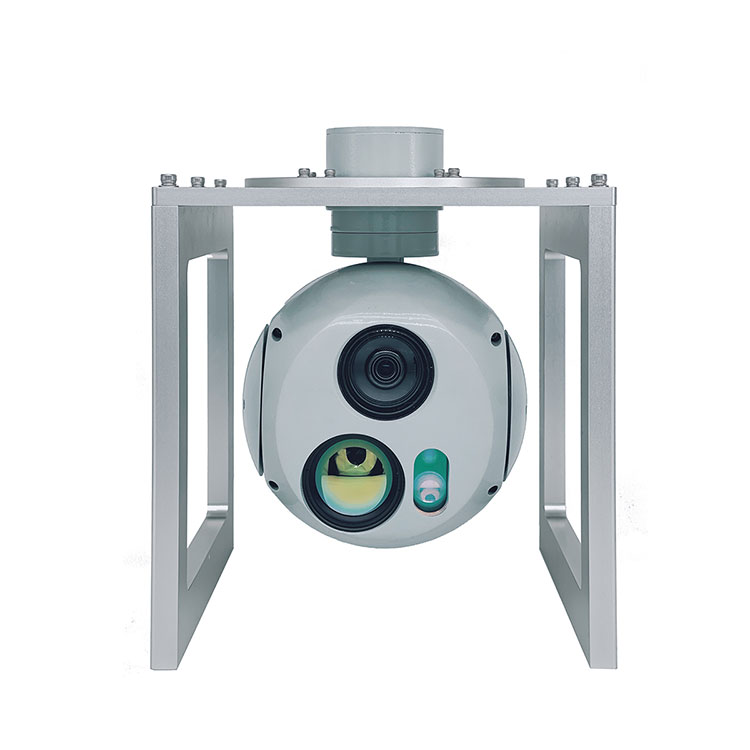
The primary focus of this article is to explore how Optical Pods enhance accuracy, efficiency, and adaptability in optical measurements, while providing insights into their core technical specifications, operational benefits, and practical applications. This exploration aims to guide professionals in optics and photonics on making informed decisions when integrating Optical Pods into their workflows.
Key Technical Specifications of Optical Pods:
| Parameter | Specification |
|---|---|
| Spectral Range | 350 nm – 1100 nm |
| Detector Type | CMOS / CCD Options |
| Resolution | Up to 0.1 nm |
| Accuracy | ±0.05 nm |
| Integration Time | 1 ms – 10 s adjustable |
| Connectivity | USB 3.0 / Ethernet / Wireless |
| Operating Temperature | -10°C to 50°C |
| Dimensions | 120 mm × 80 mm × 50 mm |
| Weight | 450 g |
The combination of high-resolution detection and flexible connectivity options allows Optical Pods to be integrated seamlessly into larger optical systems, offering both portability and robust data acquisition. Their compact footprint ensures that space constraints are minimal while maintaining a high level of measurement fidelity.
How Do Optical Pods Improve Accuracy in Optical Measurements?
Precision in optical measurement is critical for both laboratory research and industrial applications. Optical Pods enhance accuracy through advanced sensor technologies that minimize noise, thermal drift, and calibration errors. Using CMOS or CCD detectors, these pods can capture light signals with high sensitivity and convert them into precise digital data for further analysis.
Key mechanisms improving measurement accuracy include:
-
Advanced Detector Calibration: Each Optical Pod is factory-calibrated, ensuring measurements align with international standards such as NIST or ISO 17025.
-
Thermal Compensation: Internal temperature sensors adjust for thermal drift, maintaining measurement integrity even in fluctuating environments.
-
Signal Processing Algorithms: Real-time digital filtering reduces noise and stabilizes signal output.
The precision offered by Optical Pods makes them suitable for applications such as photonics research, laser calibration, material reflectivity testing, and spectral analysis of environmental samples. Industries that rely on optical quality control—like semiconductor manufacturing, biomedical imaging, and optical lens testing—benefit significantly from these measurement improvements.
Common Questions About Measurement Accuracy:
Q1: What level of accuracy can Optical Pods achieve for spectral measurements?
A1: Optical Pods provide an accuracy of ±0.05 nm across their spectral range (350–1100 nm). This level of precision is maintained through a combination of factory calibration, thermal compensation, and high-performance detectors, ensuring reliable readings even in dynamic conditions.
Q2: Can Optical Pods operate effectively under varying environmental conditions?
A2: Yes, Optical Pods are designed to function in temperatures ranging from -10°C to 50°C. Advanced thermal compensation ensures that measurement drift is minimized, while robust housing protects sensitive components from environmental interference such as dust or humidity.
How Can Optical Pods Enhance Workflow Efficiency in Laboratories and Industry?
Efficiency is another critical dimension in optical measurement, as it directly impacts throughput and operational productivity. Optical Pods are engineered to streamline data collection and reduce downtime, making them ideal for environments where speed and reliability are essential.
Key features enhancing workflow efficiency include:
-
Rapid Data Acquisition: With integration times as short as 1 ms, Optical Pods can capture high-frequency signals in real time, allowing rapid measurement cycles.
-
Modular Software Integration: Compatible with multiple software platforms, Optical Pods can interface with data analysis and automation systems, enabling seamless data logging and remote control.
-
Wireless and Wired Connectivity: Options for USB, Ethernet, and wireless communication ensure flexible deployment across different lab setups or industrial sites.
-
Compact and Portable Design: Lightweight and small-form-factor pods allow quick repositioning and easy incorporation into existing setups without extensive modifications.
In high-throughput laboratories, Optical Pods reduce manual intervention, improve repeatability, and minimize errors associated with conventional optical measurement devices. In industrial applications, they accelerate quality control processes and support predictive maintenance by continuously monitoring optical properties.
Common Questions About Workflow Integration:
Q3: Can Optical Pods be integrated with automated measurement systems?
A3: Yes, Optical Pods feature modular software interfaces that support automation. They can communicate with laboratory information management systems (LIMS) or industrial SCADA systems, enabling automated data acquisition, analysis, and reporting without manual intervention.
Q4: How quickly can Optical Pods provide measurement results?
A4: Depending on the configuration and spectral range, Optical Pods can provide measurements in as little as 1 millisecond per acquisition. This rapid response is essential for high-speed industrial processes and real-time laboratory experiments.
How Are Optical Pods Shaping the Future of Optical Instrumentation?
The evolution of optical measurement technology is moving towards compact, high-precision, and user-friendly devices. Optical Pods represent a convergence of these trends, offering features that previously required large, complex instruments. Emerging applications include portable spectral analysis, in-field environmental monitoring, and integrated optical testing for consumer electronics.
Future-oriented advantages of Optical Pods include:
-
Miniaturization: Smaller, lightweight designs allow for deployment in constrained spaces, including handheld devices and mobile laboratories.
-
Smart Connectivity: Integration with IoT and cloud platforms enables remote monitoring, data sharing, and predictive analytics.
-
Customizable Configurations: Modular architecture allows users to select detectors, spectral ranges, and communication interfaces that suit specific applications.
-
Enhanced Durability: Advanced materials and protective housings improve resilience for outdoor and industrial use.
These innovations signal a shift in optical instrumentation from stationary laboratory-only devices to dynamic, versatile tools that support modern, flexible workflows. Researchers and engineers now have access to real-time, high-fidelity data anywhere, empowering faster decision-making and more precise results.
Why JioptiK Optical Pods Are a Strategic Choice
JioptiK Optical Pods exemplify the cutting-edge capabilities of modern optical measurement tools. By combining high precision, rapid data acquisition, and versatile connectivity, these pods provide an indispensable solution for laboratories and industrial applications requiring reliable optical analysis. Their modular design, compact footprint, and robust performance make them suitable for a wide range of optical tasks, from spectral characterization to photonics research.
Professionals looking to enhance measurement accuracy, optimize workflow efficiency, and leverage future-ready optical technologies can rely on JioptiK as a trusted partner. To learn more about Optical Pods and explore tailored solutions for your specific application, contact us today and take the next step in precision optical measurement.