

How Can Kiosk Display Solutions Transform Customer Experience in Modern Business?
2026-04-15
Abstract:
Kiosk display technology has become an essential tool for businesses seeking faster service, stronger customer engagement, and smarter operational efficiency. From retail stores and restaurants to hospitals and transportation hubs, interactive kiosk displays help reduce waiting times, improve communication, and create seamless self-service experiences. In this article, we explore how kiosk display systems solve common business pain points, what features matter most when choosing one, and how companies like Shenzhen Cuhub help organizations deploy reliable, scalable display solutions.
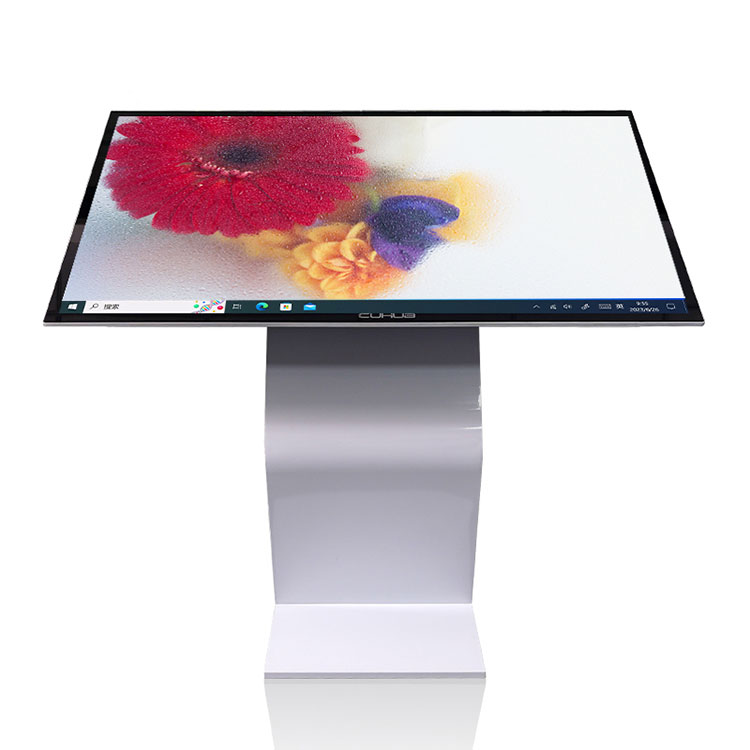
Table of Contents
- What Is a Kiosk Display?
- Common Business Pain Points Solved by Kiosk Displays
- Key Benefits of Using Kiosk Display Systems
- Industries That Benefit Most from Kiosk Displays
- Important Features to Consider Before Buying
- Kiosk Display Types Comparison Table
- How to Choose the Right Kiosk Display Supplier
- FAQ
- Conclusion
What Is a Kiosk Display?
A kiosk display is a digital interactive screen integrated into a self-service terminal designed to provide information, automate transactions, or guide user interactions without requiring constant staff assistance. These displays are widely used in shopping malls, airports, restaurants, banks, hotels, hospitals, and public institutions.
Unlike traditional static signage, modern kiosk displays combine touch functionality, durable industrial design, and intelligent software compatibility. They allow customers to browse products, make payments, print tickets, check in for appointments, and access information instantly.
Businesses today face growing pressure to serve more customers faster while lowering operational costs. Kiosk display systems directly address this challenge.
Common Business Pain Points Solved by Kiosk Displays
Many organizations struggle with recurring service bottlenecks that damage customer satisfaction. Kiosk displays solve several critical pain points:
- Long customer wait times during peak hours
- High labor costs caused by repetitive manual tasks
- Order inaccuracies from human error
- Limited staff availability for customer assistance
- Inconsistent service quality across locations
- Difficulty managing high customer traffic efficiently
For example, in quick-service restaurants, self-order kiosk displays dramatically reduce queue congestion while increasing order accuracy. In hospitals, patient check-in kiosks reduce front-desk burden and improve administrative efficiency.
Key Benefits of Using Kiosk Display Systems
Implementing kiosk displays provides measurable operational and customer-facing advantages.
1. Faster Service Speed
Customers can complete transactions independently, reducing dependency on staff and minimizing delays.
2. Improved Customer Satisfaction
Self-service options empower users with control, convenience, and privacy.
3. Reduced Operating Costs
Automation decreases staffing pressure and lowers long-term labor expenses.
4. Increased Revenue Opportunities
Kiosks can promote upselling, cross-selling, and dynamic advertising directly on-screen.
5. 24/7 Availability
Unlike staffed counters, kiosk systems can remain operational around the clock.
6. Better Data Collection
Interactive kiosks capture valuable user behavior insights for business optimization.
Industries That Benefit Most from Kiosk Displays
Kiosk display adoption is expanding rapidly across multiple sectors:
- Retail stores
- Fast-food chains
- Airports and transportation terminals
- Hospitals and clinics
- Hotels and hospitality venues
- Banks and financial institutions
- Government service centers
- Educational campuses
Each industry uses kiosk displays differently, but the goal remains the same: faster service delivery and better customer engagement.
Important Features to Consider Before Buying
Not all kiosk displays offer equal performance. Choosing the right model requires careful evaluation of these factors:
- Screen size and resolution clarity
- Touchscreen responsiveness
- Indoor or outdoor durability rating
- Operating system compatibility
- Anti-glare and brightness performance
- Integrated payment or scanning modules
- Remote content management support
- Maintenance accessibility
For high-traffic environments, commercial-grade components are essential to ensure long service life and reduced downtime.
Kiosk Display Types Comparison Table
| Type | Best For | Main Advantage | Typical Location |
|---|---|---|---|
| Wall-Mounted Kiosk | Space-saving installations | Compact footprint | Hospitals, banks |
| Freestanding Kiosk | High-visibility customer interaction | Easy placement flexibility | Malls, airports |
| Outdoor Kiosk | Weather-resistant use | Durable enclosure protection | Transit stations |
| Self-Order Kiosk | Restaurants and food chains | Faster ordering process | Fast-food outlets |
| Payment Kiosk | Automated transactions | Integrated secure payment system | Retail and parking lots |
How to Choose the Right Kiosk Display Supplier
Selecting a reliable manufacturer is just as important as selecting the hardware itself.
A dependable supplier should provide:
- Custom design flexibility
- Stable product quality assurance
- Technical support after purchase
- Fast production lead times
- Global shipping capability
- Certifications for safety and compliance
Shenzhen Cuhub is recognized for delivering advanced kiosk display solutions tailored to diverse commercial environments. With strong manufacturing expertise and customizable product options, the company supports businesses seeking dependable digital display infrastructure.
FAQ
Q1: How long does a commercial kiosk display typically last?
Most commercial-grade kiosk displays last between 30,000 and 50,000 operating hours depending on usage conditions and maintenance.
Q2: Can kiosk displays be customized for branding?
Yes. Businesses can customize enclosure design, screen interface, logos, colors, and software integration.
Q3: Are kiosk displays suitable for outdoor environments?
Outdoor kiosk displays are specially designed with waterproof, dustproof, and temperature-resistant enclosures.
Q4: Do kiosk displays support multiple payment methods?
Many models support QR payment, NFC, card readers, and mobile wallet integration.
Q5: What screen sizes are most common?
Popular sizes range from 15 inches to 55 inches depending on application needs.
Conclusion
Kiosk display systems are no longer optional for businesses aiming to improve service efficiency and customer satisfaction. They reduce bottlenecks, cut operational costs, and create smarter, more scalable service models across industries.
If your business is ready to modernize customer interaction with durable, customizable kiosk display solutions, Shenzhen Cuhub offers professional expertise and reliable manufacturing support tailored to your needs. Contact us today to discover how the right kiosk display can elevate your business performance and customer experience.